
Wellbeing • Everyday Life
The Impact of Sport on Our Lives
More than a game, sport has the quiet power to shape our bodies, steady our minds, strengthen our communities, and remind us what it means to keep going.
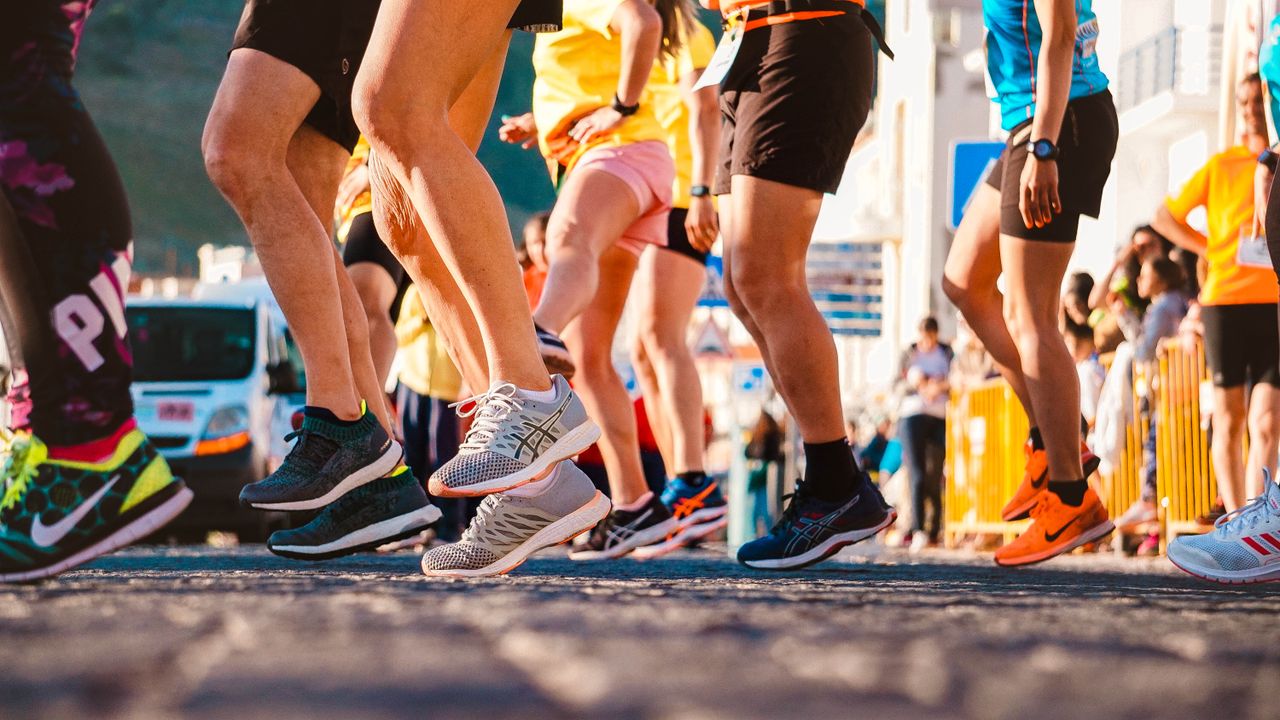
Sport is one of the few things in life that can mean something different to everyone and still bring us together. For one person, it is the sound of sneakers on a quiet road before sunrise. For another, it is the roar of a stadium, a Sunday football match with friends, or a gentle swim after a difficult day. Some people chase medals and records; others simply chase the feeling of being alive in their own bodies. However we meet it, sport has a remarkable way of weaving itself into the fabric of daily life.
It is easy to think of sport only in terms of competition, fitness, or performance. Yet its true value runs much deeper. Sport teaches us to listen to ourselves, to trust others, to recover after disappointment, and to celebrate progress that no one else may see. It can transform a neighbourhood park into a meeting place, turn strangers into teammates, and give children lessons that no classroom can fully teach. In a world that often feels hurried and disconnected, sport offers a rare space where effort, joy, and human connection can exist side by side.
A stronger body, and a more capable life
The most visible benefit of sport is physical health, and for good reason. Regular movement strengthens the heart, supports better circulation, improves mobility, and helps the body maintain energy through every stage of life. Whether it is football, tennis, running, dance, martial arts, or simply walking with purpose, sport encourages the body to stay active rather than passive. This matters not only for appearance or athleticism, but for the ordinary tasks that make up a full life: climbing stairs without strain, playing with children, carrying groceries, travelling with confidence, and ageing with greater independence.
What is often overlooked is that sport also teaches us to care for the body rather than punish it. The more we move, the more we understand the importance of rest, hydration, sleep, and good nutrition. We begin to notice when we feel strong and when we need recovery. This awareness can be deeply empowering. Instead of viewing health as an abstract goal somewhere in the future, sport turns it into a daily relationship with ourselves. We learn that small, repeated choices matter: one walk, one practice session, one game, one stretch, one decision to try again.
There is also something profoundly satisfying about feeling the body become more capable over time. The first kilometre that once felt impossible becomes a warm-up. The child who was afraid of the water learns to swim across the pool. The adult who never thought of themselves as sporty discovers they can enjoy movement after all. Progress in sport is rarely instant, but that is exactly why it is meaningful. It reminds us that our bodies are not fixed things; they respond to attention, patience, and care.
Where the mind finds room to breathe
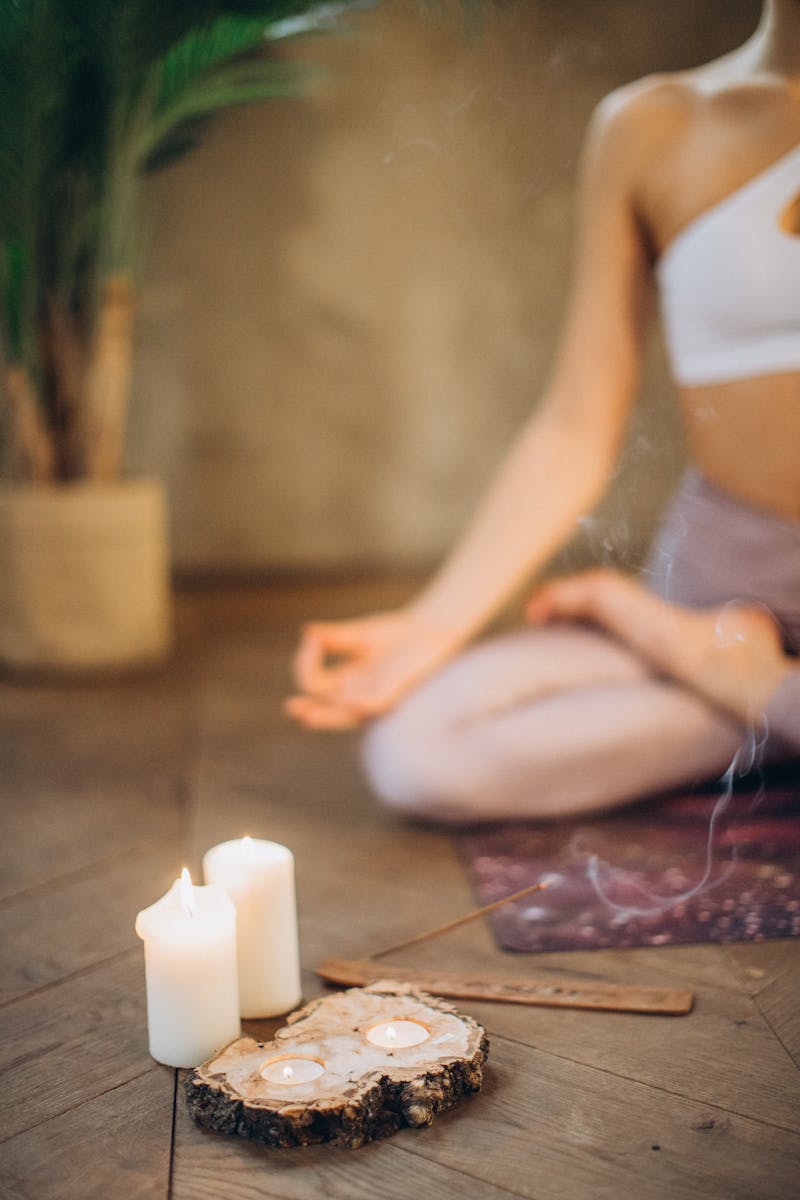
In recent years, more people have begun to recognise what many athletes and everyday players have long known: sport is not only good for the body, it is medicine for the mind. Physical activity can lift mood, reduce stress, and create a sense of mental clarity that is hard to find elsewhere. After a long day filled with screens, pressure, and constant noise, moving the body can feel like opening a window in a crowded room. A run, a match, a swim, or a gym session gives the mind something simple and immediate to focus on: breath, rhythm, balance, the next step.
Sport also offers emotional release. It gives us somewhere to put frustration, sadness, and tension without needing to explain them. There are days when words feel too heavy, but movement still feels possible. The steady repetition of a jog, the concentration required by a game, or the quiet discipline of yoga can help us return to ourselves. This is not to suggest that sport solves every mental struggle, but it can become one of the most practical tools we have for coping, grounding, and reconnecting with hope.
Sport reminds us that improvement does not always arrive as a grand transformation. Sometimes it arrives as simply getting out the door, breathing deeper, and feeling a little more like ourselves again.
A quiet lesson in resilience
Perhaps one of the most beautiful gifts of sport is that it teaches us to be present. In the middle of a game, we are not worrying about next week or replaying yesterday. We are here: watching the ball, listening for a teammate, adjusting our breathing, trusting our reflexes. That presence is rare in modern life, and incredibly valuable. It is why many people leave a workout not only physically tired, but mentally lighter. For a little while, sport returns us to the present tense.
The communities we build along the way
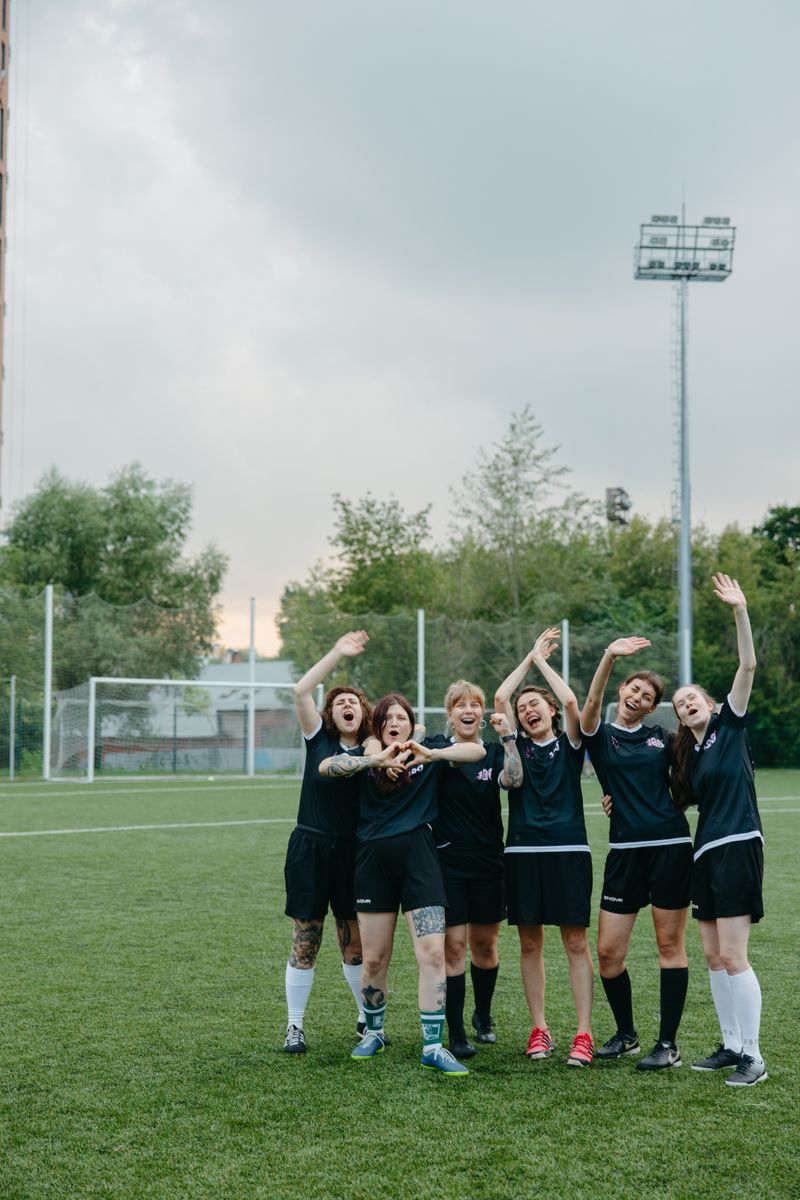
Sport has an extraordinary social power. It gathers people who might otherwise never meet and gives them a shared language almost immediately. You may not know someone's background, beliefs, or story, but you both understand the final whistle, the missed chance, the perfect pass, the laughter after a fall. In schools, clubs, parks, and streets around the world, sport creates communities through simple repeated acts: showing up, playing together, encouraging each other, and coming back next week.
For children and young people especially, these communities can be life-changing. A good coach can become a mentor. A team can become a second family. The shy child learns to speak up; the restless child learns discipline; the child who feels different discovers a place where their effort matters. Sport offers belonging not through perfection, but participation. It tells people: you are part of this. That feeling can stay with someone for years.
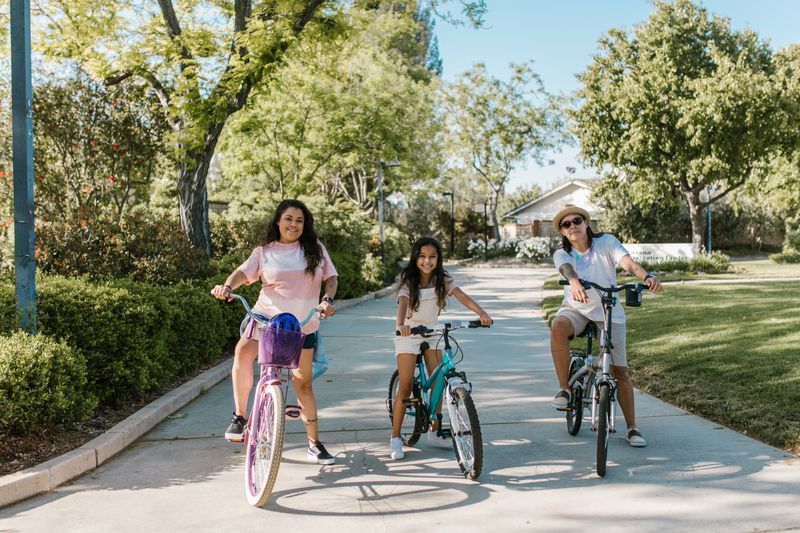
Even beyond youth, sport continues to connect us. Adults join weekend running groups, five-a-side football teams, fitness classes, cycling clubs, or local leagues not only to stay active, but to feel part of something. In an age where many people experience loneliness despite being constantly online, the simplicity of meeting face to face and moving together is deeply nourishing. Shared effort creates trust. Shared struggle creates empathy. Shared joy creates memories that often outlast the score.
Lessons that reach far beyond the field
Sport is often described as a metaphor for life, and with good reason. It teaches us things we eventually need everywhere else: how to be patient, how to lose with dignity, how to work with people who are different from us, and how to continue when success is not immediate. Anyone who has ever trained for something knows that progress is rarely a straight line. There are setbacks, injuries, poor performances, and days when motivation disappears. Yet sport teaches us that a bad day is not the whole story.
This is one reason sport remains so valuable at every age. It gives us a healthy way to encounter failure. On the field, failure is not hidden; it happens in public. A shot is missed, a race is lost, a plan falls apart. And then, almost immediately, we must decide what to do next. We learn to recover, adjust, and try again. These are lessons that serve us in school, work, relationships, and every season of personal growth.
In the end, the impact of sport on our lives cannot be measured only in goals scored, medals won, or kilometres completed. Its true influence is found in quieter places: in confidence gained, friendships formed, stress released, and courage rediscovered. Sport helps us inhabit our bodies more fully and our communities more generously. It reminds us that effort matters, that joy can be found in movement, and that sometimes the best version of ourselves is not reached alone, but alongside others, one step, one game, one breath at a time.