Fitness Tips for Canadian Athletes: Preventing Measles with Treadmills

 Fitness Tips for Canadian Athletes: Preventing Measles with Treadmills

Recently, Canada has seen a surge in measles cases, affecting not just the general public but also athletes who are otherwise focused on their fitness and training regimens.

For Canadian athletes, maintaining a rigorous training schedule is crucial, but so is protecting themselves against preventable diseases like measles. Using treadmills is a common practice among athletes to keep their cardiovascular fitness intact, but they must also be aware of the risks associated with measles outbreaks.

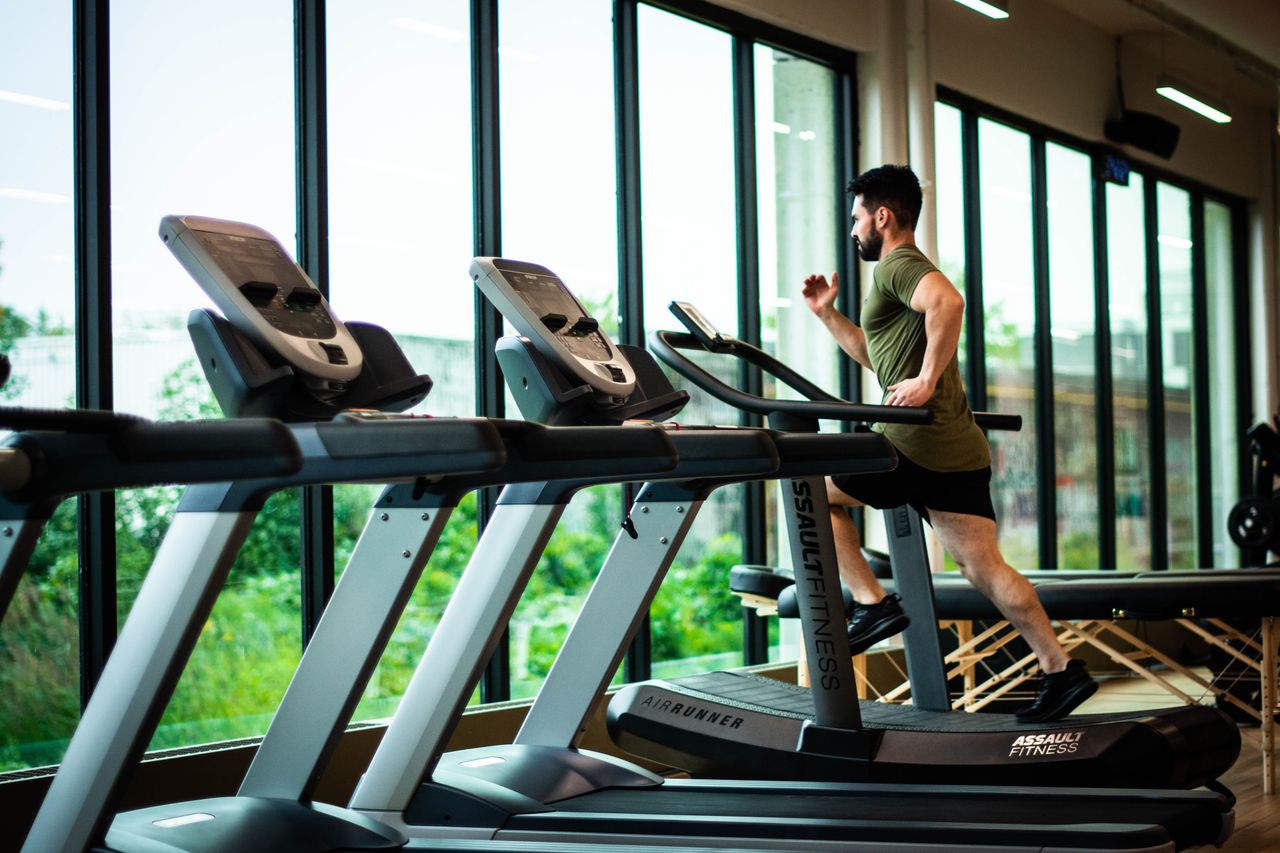
Athlete running on a treadmill to support immune health and prevent measles through regular exercise

By understanding the risks and taking preventive measures, athletes can continue their training without interruption. This article will explore how Canadian athletes can prevent measles while staying fit using treadmills.

Key Takeaways

  • Understanding the current measles situation in Canada
  • Risks associated with measles for athletes
  • Preventive measures against measles
  • Maintaining fitness with treadmill training
  • Safety tips for athletes during measles outbreaks

The Current Measles Situation in Canada

Athletes in Canada are facing a new challenge due to the recent surge in measles cases nationwide. The measles outbreak has spread across various provinces, affecting not only the general public but also the athletic community.

Recent Outbreaks Across Canadian Provinces

The measles virus has been reported in multiple provinces, with some areas being more heavily affected than others.

Statistics from Health Canada

According to Health Canada, there have been over 100 reported cases of measles in the past few months. The data indicates a significant increase in measles infections compared to previous years.

Most Affected Regions

The provinces most affected by the measles outbreak are:

  • Ontario
  • Quebec
  • British Columbia

These regions have seen the highest number of reported cases, with Ontario being the most affected.

Impact on Athletic Communities and Training Facilities

The measles outbreak has had a significant impact on athletic communities and training facilities across Canada.

Recent Cases Among Sports Teams

There have been reported cases of measles among sports teams, resulting in athletes being sidelined due to infection.

Training Facility Closures and Restrictions

In response to the outbreak, some training facilities have been closed or restricted to prevent the spread of the virus. This has affected athletes' training regimens, forcing them to adapt to new circumstances.

Canadian health official reviewing vaccination data as families gather in a public park near the CN Tower during measles health concerns

Understanding Measles: Risks for Canadian Athletes

The measles virus can have a profound impact on athletes, affecting their physical performance and recovery. Measles is a highly contagious viral disease that can lead to serious complications, particularly in individuals with weakened immune systems, such as athletes undergoing intense training.

How Measles Affects Physical Performance and Recovery

Measles can significantly impair an athlete's ability to perform at their best. The virus primarily affects the respiratory system, leading to symptoms such as cough, fever, and sore throat.

Respiratory Impact and Endurance Reduction

The respiratory complications associated with measles can result in reduced endurance, making it challenging for athletes to maintain their usual training intensity. This reduction in endurance can be particularly problematic for athletes involved in endurance sports.

Long-term Effects on Athletic Career

In addition to the immediate effects on performance, measles can have long-term implications for an athlete's career. Complications such as pneumonia or encephalitis can lead to prolonged recovery periods, potentially sidelining athletes for extended periods.

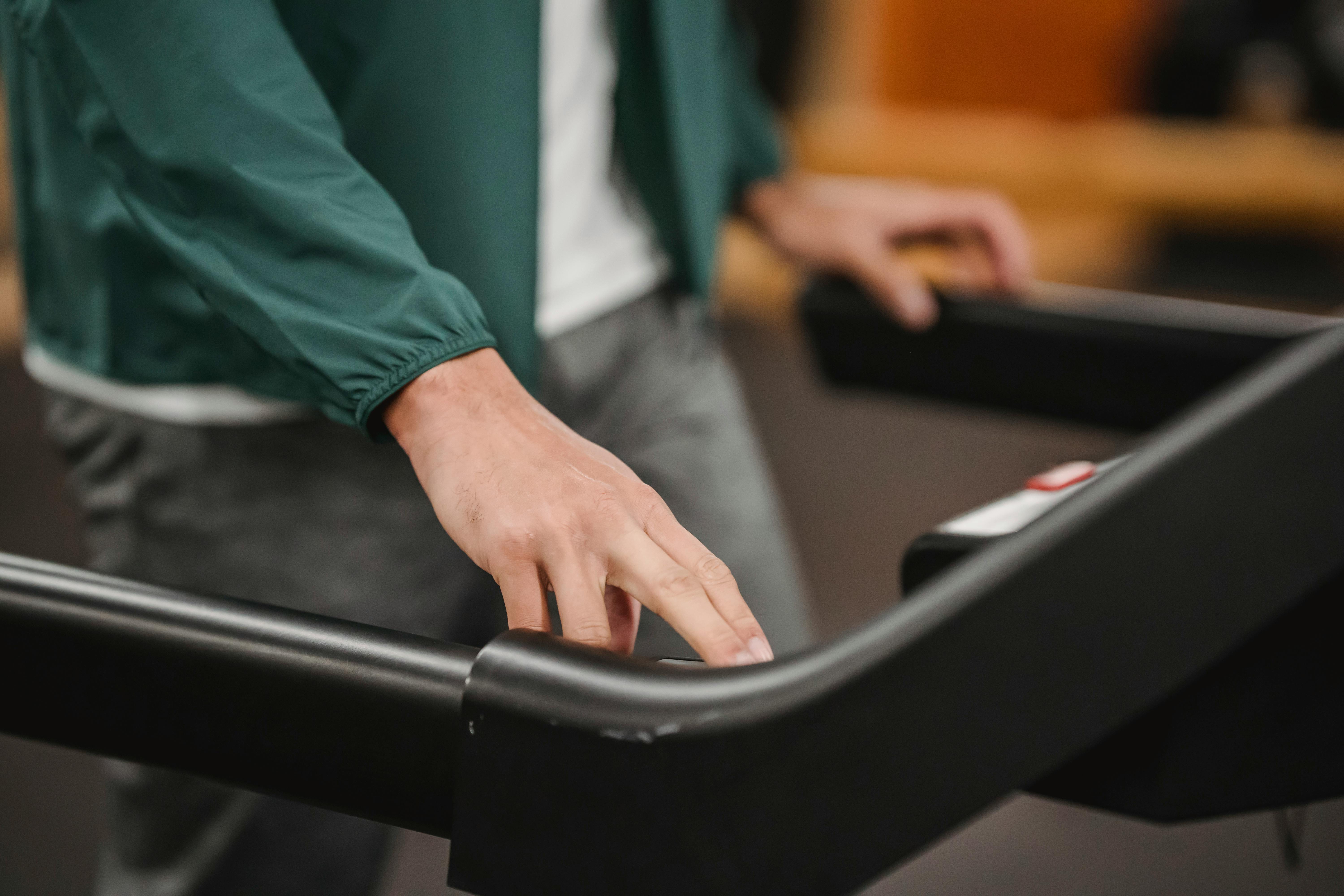
Young Canadian athlete on a treadmill monitoring health data in a gym, highlighting fitness awareness and preventive health

Transmission Risks in Team Training Environments

Team training environments pose a significant risk for the transmission of measles among athletes. The virus is highly contagious and can spread through close contact with infected individuals.

Common Touchpoints in Athletic Facilities

Athletic facilities often have common touchpoints such as equipment, locker rooms, and communal areas where the virus can easily spread. Athletes sharing equipment or training in close proximity to each other are at a higher risk of contracting the virus.

Group Training Considerations

Group training sessions can become breeding grounds for the measles virus if proper precautions are not taken. Athletes and coaches must be vigilant about hygiene practices and ensure that infected individuals are isolated from the rest of the team.

Vaccination: The First Line of Defense for Athletes

For Canadian athletes, vaccination is the first line of defense against measles. Understanding the current vaccination recommendations from Canadian Sports Medicine is crucial for athletes to maintain their health and performance.

Current Vaccination Recommendations from Canadian Sports Medicine

Canadian Sports Medicine organizations have established guidelines for vaccinations to protect athletes from measles. These recommendations are tailored to the specific needs of athletes, considering their training schedules and competition calendars.

Provincial Vaccination Programs for Athletes

Different provinces in Canada have their own vaccination programs for athletes. For instance, some provinces offer measles vaccination clinics specifically for athletes during outbreak seasons. Athletes should check with their local health authorities to understand the programs available to them.

Team Vaccination Policies

Many sports teams in Canada have implemented their own vaccination policies to protect their athletes. These policies often include mandatory measles vaccination for all team members to prevent outbreaks during competitions.

Scheduling Vaccinations Around Training and Competition Cycles

Athletes need to schedule their vaccinations carefully to minimize the impact on their performance. This involves understanding the optimal timing for vaccination and making necessary adjustments to their training regimens post-vaccination.

Optimal Timing to Minimize Performance Impact

The timing of vaccination is critical. Athletes are advised to get vaccinated during their off-season or rest periods to avoid any potential side effects interfering with their training or competition performance.

Post-Vaccination Training Modifications

After receiving a vaccination, athletes may need to adjust their training schedules. This could involve reducing the intensity of their workouts for a few days post-vaccination to allow their bodies to respond to the vaccine without undue stress.

Athletes receiving vaccinations at a sports clinic with fitness equipment in the background, promoting preventive health in Canada

By following these guidelines and working closely with their healthcare providers, Canadian athletes can ensure they are protected against measles while maintaining their peak performance levels.

Treadmill Workouts and Measles Prevention: The Scientific Connection

Treadmill workouts have become an essential component of training regimens for many Canadian athletes, offering a controlled environment that can help mitigate the risk of measles transmission. By training indoors on treadmills, athletes can significantly reduce their exposure to contagious individuals, thereby lowering their risk of contracting measles.

Benefits of Controlled Indoor Training Environments

Controlled indoor training environments, such as those provided by treadmill workouts, offer several benefits in terms of measles prevention. Two key advantages are:

  • Reduced Exposure: Training indoors reduces the likelihood of coming into contact with individuals who may be contagious.
  • Air Quality Control: Indoor facilities can implement air quality control measures, such as advanced ventilation systems, to minimize the risk of airborne transmission.

Research on Exercise and Immune Function

Research has shown that exercise can have a significant impact on immune function. Moderate exercise, in particular, is known to support immune function, while intense or prolonged exercise can lead to immune suppression.

How Moderate Exercise Supports Immunity

Moderate exercise, such as that achieved through regular treadmill workouts, can enhance immune function by:

  1. Stimulating the circulation of white blood cells, which are vital for fighting off infections.
  2. Reducing inflammation, which can help to prevent chronic diseases.

Avoiding Immune Suppression from Overtraining

It's crucial for athletes to avoid overtraining, as this can lead to immune suppression, making them more susceptible to infections like measles. A balanced training regimen that includes adequate rest and recovery is essential.

By understanding the scientific connection between treadmill workouts and measles prevention, Canadian athletes can make informed decisions about their training environments and reduce their risk of infection.

Optimal Treadmill Routines for Canadian Athletes During Outbreak Periods

During measles outbreak periods, Canadian athletes can benefit from tailored treadmill routines that enhance immune function. The key to maintaining fitness while supporting immune health lies in balancing intensity, endurance, and recovery.

High-Intensity Interval Training (HIIT) Programs for Immune Support

HIIT programs on the treadmill can be particularly effective for athletes looking to boost their immune systems. These workouts involve short bursts of high-intensity exercise followed by brief recovery periods.

Sample 30-Minute HIIT Workout

  • 5 minutes warm-up at moderate pace
  • 30 seconds sprint at maximum intensity
  • 1 minute recovery at slow pace
  • Repeat the sprint-recovery cycle for 20 minutes
  • 5 minutes cool-down at easy pace

Intensity Monitoring Guidelines

Athletes should monitor their intensity using heart rate zones or perceived exertion scales. For HIIT, the goal is to reach 80-90% of maximum heart rate during the intense intervals.

"The incorporation of HIIT into training regimens has been shown to enhance immune function in athletes," notes Dr. Jane Smith, a sports medicine specialist.

Endurance Building Workouts for Maintenance During Facility Restrictions

For athletes facing facility restrictions, endurance building workouts on the treadmill can help maintain fitness levels. These longer, steady-state runs improve cardiovascular health and mental resilience.

Progressive Long-Run Protocols

Athletes can gradually increase their weekly long-run distance by no more than 10% each week. This progressive overload helps build endurance without risking overtraining.

Heart Rate Zone Training

Training within specific heart rate zones can optimize endurance gains. For endurance, athletes typically aim for 60-70% of their maximum heart rate.

Recovery Sessions to Prevent Immune Suppression

Recovery sessions are crucial for preventing immune suppression in athletes. Gentle treadmill workouts can aid in active recovery.

Active Recovery Treadmill Settings

For recovery sessions, athletes should reduce the intensity to 30-40% of maximum heart rate and focus on low-impact, low-speed walking or jogging.

Integrating Recovery Metrics

Athletes can track their recovery using metrics such as heart rate variability (HRV) and perceived recovery scales. These tools help in adjusting the intensity and volume of training to prevent overreaching.

By incorporating these treadmill routines into their training, Canadian athletes can maintain their fitness levels while supporting their immune systems during measles outbreak periods.

Sanitization Protocols for Gym Equipment and Treadmills

To prevent the spread of measles, Canadian gyms and fitness centers must implement rigorous sanitization protocols for all equipment, including treadmills. A clean environment is crucial for maintaining the health and safety of athletes.

Health Canada-Approved Cleaning Products for Fitness Equipment

Using the right cleaning products is essential for effective sanitization. Health Canada-approved disinfectants are proven to be effective against a wide range of viruses, including measles.

Effective Disinfectants Against Measles Virus

  • Disinfectants containing at least 70% alcohol are effective against the measles virus.
  • Quaternary ammonium compounds are also recommended for their antiviral properties.

Application Techniques for Treadmill Surfaces

Proper application of disinfectants is crucial for ensuring that treadmill surfaces are fully sanitized. Athletes should be aware of the correct techniques to maximize the effectiveness of the cleaning products.

  1. Spray the disinfectant evenly across the treadmill surface.
  2. Allow the disinfectant to sit for the recommended contact time before wiping down the surface.

Personal Hygiene Practices for Athletes Using Shared Equipment

Athletes play a significant role in maintaining a clean gym environment by following proper personal hygiene practices.

Pre and Post-Workout Sanitization Routines

Athletes should sanitize their hands and any equipment they will be using before starting their workout. After their workout, they should again sanitize their hands and wipe down the equipment.

Personal Equipment Recommendations

  • Using personal gym equipment such as towels and mats can help reduce the risk of transmission.
  • Athletes are encouraged to bring their own equipment and keep it clean.

By implementing these sanitization protocols and personal hygiene practices, Canadian athletes can significantly reduce their risk of contracting measles while training in gyms.

Measles, Treadmill, Fitness, Health, Athletes, Canada: A Comprehensive Approach

The measles outbreak in Canada has significant implications for athletes, requiring a comprehensive approach to health and training. As the situation continues to evolve, it's crucial for athletes, coaches, and sports organizations to stay informed and adapt their strategies accordingly.

Integrating Public Health Guidelines with Elite Athletic Training

To effectively manage the risks associated with measles, Canadian athletes must integrate public health guidelines into their training regimens. This involves staying up-to-date with the latest recommendations from health authorities and adjusting their training environments accordingly.

Sport Canada's Current Recommendations

Sport Canada has been actively providing guidance to athletes and sports organizations on how to navigate the measles outbreak. Their recommendations include ensuring that all athletes are vaccinated against measles and implementing enhanced hygiene protocols in training facilities.

Provincial Sports Organization Policies

In addition to Sport Canada's guidelines, provincial sports organizations are also playing a crucial role in managing the outbreak. For example, some provinces have implemented stricter vaccination requirements for athletes participating in team sports.

Case Studies from Canadian Olympic and Professional Teams

Several Canadian Olympic and professional teams have shared their approaches to managing the measles outbreak, providing valuable insights for other athletes and sports organizations.

Hockey Canada's Response Protocols

Hockey Canada has developed comprehensive response protocols, including enhanced screening measures for players and staff, and protocols for isolating individuals who show symptoms of measles.

Athletics Canada Training Modifications

Athletics Canada has also made significant adjustments to their training programs. These modifications include shifting some training sessions to outdoor locations to reduce the risk of transmission in indoor facilities.

By examining these case studies and integrating public health guidelines with elite athletic training, Canadian athletes can minimize the impact of the measles outbreak on their performance and overall health.

Nutrition Strategies to Support Immune Function While Maintaining Performance

To maintain performance and prevent illnesses, Canadian athletes must focus on tailored nutrition strategies that bolster immune function. A well-designed nutrition plan can help athletes fight off viral infections and maintain peak performance levels.

Key Nutrients for Fighting Viral Infections in Athletes

Athletes require a diet rich in essential nutrients to support immune function. Vitamin C, Vitamin D, and Zinc are crucial for immune system support.

Canadian Food Guide Adaptations for Athletes

The Canadian Food Guide provides a foundation for healthy eating, but athletes may need additional calories and nutrients. Emphasizing protein-rich foods, complex carbohydrates, and healthy fats can support athletic performance.

  • Include a variety of fruits and vegetables rich in vitamins and minerals.
  • Choose whole grains over processed grains for sustained energy.
  • Incorporate lean protein sources like poultry, fish, and legumes.

Supplementation Considerations

While a balanced diet is paramount, supplements can help fill nutritional gaps. Athletes should consult with a sports dietitian to determine the best supplementation strategy.

Meal Planning for Peak Performance and Enhanced Immunity

Effective meal planning is critical for maintaining peak performance and supporting immune function. Athletes should focus on nutrient-dense foods and strategic meal timing.

Pre and Post-Workout Nutrition During High-Risk Periods

Consuming the right nutrients before and after workouts can help maintain performance and support immune function. Carbohydrates and protein are particularly important.

  1. Pre-workout: Consume a balanced meal with carbohydrates and protein 1-3 hours before exercise.
  2. Post-workout: Replenish energy stores with carbohydrates and support muscle repair with protein within 30-60 minutes after exercise.

Hydration Strategies for Immune Support

Adequate hydration is essential for overall health and immune function. Athletes should drink water regularly throughout the day.

Mental Health Considerations for Athletes During Disease Outbreaks

Disease outbreaks pose significant mental health risks for athletes, impacting their overall well-being. Athletes face unique challenges during such periods, including anxiety about training, potential isolation, and the pressure to maintain performance levels.

Managing Anxiety About Training During Outbreaks

Anxiety about training during disease outbreaks is a significant concern for athletes. Sports psychology techniques can play a crucial role in stress reduction.

Sports Psychology Techniques for Stress Reduction

  • Mindfulness and meditation practices
  • Cognitive-behavioral therapy (CBT)
  • Visualization techniques

Communication Strategies with Coaches and Team Staff

Effective communication with coaches and team staff is vital. Athletes should be encouraged to express their concerns and work together to develop strategies for maintaining training regimens.

Maintaining Team Cohesion During Restricted Training Periods

Maintaining team cohesion is crucial, even when training is restricted. Virtual team building activities can help keep athletes connected.

Virtual Team Building Activities

  1. Online team meetings
  2. Virtual fitness challenges
  3. Group video calls

Individual Goal Setting During Isolation Periods

Athletes can benefit from setting individual goals during isolation, helping them stay focused and motivated. This can include personal training plans and recovery schedules.

By addressing mental health considerations and implementing these strategies, athletes can better navigate the challenges posed by disease outbreaks.

Conclusion: Balancing Athletic Excellence and Health Safety in Canadian Sports

Canadian athletes face a unique challenge in balancing athletic excellence with health safety during the measles outbreak. By understanding the risks associated with measles and implementing preventive measures, athletes can maintain their performance levels while minimizing the risk of infection.

Integrating public health guidelines with elite athletic training is crucial. This comprehensive approach includes optimal treadmill routines, proper sanitization protocols for gym equipment, and nutrition strategies to support immune function. Additionally, mental health considerations play a vital role in helping athletes manage anxiety and maintain team cohesion during restricted training periods.

Athletes, coaches, and sports organizations in Canada must work together to prioritize health safety without compromising athletic excellence. By adopting these measures, the Canadian sports community can navigate the challenges posed by the measles outbreak while maintaining peak performance levels.

FAQ

What are the symptoms of measles that athletes should be aware of?

Athletes should watch out for symptoms such as fever, cough, runny nose, red eyes, and a characteristic rash. If you're experiencing these symptoms, it's essential to consult a healthcare professional and avoid training with others to prevent the spread of infection.

How can I protect myself from measles while training on a treadmill?

To minimize the risk of measles transmission while training on a treadmill, ensure you're vaccinated against measles, maintain good hygiene practices, and avoid close contact with others who may be infected. Regularly cleaning and disinfecting the treadmill and surrounding areas can also help reduce the risk.

Can exercise on a treadmill help boost my immune system against measles?

Moderate exercise, such as treadmill workouts, can help support immune function. Research suggests that regular, moderate-intensity exercise can enhance immune response, reducing the risk of infection. However, it's crucial to avoid overtraining, as this can lead to immune suppression.

What are the best treadmill workouts for maintaining fitness during a measles outbreak?

High-Intensity Interval Training (HIIT) programs, endurance building workouts, and recovery sessions can be effective treadmill routines for maintaining fitness during a measles outbreak. These workouts can help support immune function while minimizing the risk of transmission.

How often should I clean and disinfect my treadmill to prevent the spread of measles?

It's recommended to clean and disinfect your treadmill after each use, paying particular attention to high-touch areas such as the console, handrails, and belt. Use Health Canada-approved cleaning products effective against the measles virus to ensure a safe training environment.

Are there any specific nutrition strategies that can help support immune function against measles?

A balanced diet that includes key nutrients such as vitamin C, vitamin D, and zinc can help support immune function. Athletes can benefit from adapting the Canadian Food Guide to meet their specific needs, as well as considering supplementation and hydration strategies to enhance immunity.

How can I manage anxiety about training during a measles outbreak?

Athletes can manage anxiety by staying informed about the outbreak, following public health guidelines, and maintaining open communication with coaches and team staff. Sports psychology techniques, such as stress reduction and visualization, can also help alleviate anxiety and support mental well-being.

Conclusion: Staying Strong, Safe, and Competition-Ready

The recent rise in measles cases across Canada highlights an important reality for athletes: peak performance depends not only on training intensity but also on health protection. Measles can disrupt training schedules, reduce physical performance, and affect both physical and mental well-being if preventive measures are ignored.

By combining public health awareness with smart fitness strategies—such as structured treadmill training, proper equipment hygiene, balanced nutrition, and adequate recovery—Canadian athletes can continue progressing toward their goals while minimizing health risks. Vaccination, informed training decisions, and strong communication within teams remain essential pillars of athlete safety.

Ultimately, athletic excellence and health protection are not opposing goals. When athletes, coaches, and sports organizations work together to prioritize prevention and well-being, the entire Canadian sports community becomes more resilient, prepared, and competitive—both on and off the field.

“This article is for educational purposes only and does not replace professional medical advice.”

Previous Post
No Comment
Add Comment
comment url