Can Food Improve Your Mood? Brain-Healthy Diet Tips for Canadians
Can What You Eat Really Change Your Mood? Science Reveals the Brain–Food Connection
Do you think food could improve your mood or help on bad mental health days? It turns out your dietary pattern plays a real role in brain health, influencing everything from energy to emotional balance. Let's see how simple food choices can change how you feel.
Key Takeaways:
The Gut-Brain Connection
Your gut and brain talk constantly through the gut-brain axis, where a thriving microbiome supports steady moods. Fiber-rich whole foods act as prebiotics, feeding good bacteria in your gut. This helps keep inflammation low, which can otherwise worsen symptoms of mental illness like depression or irritability.
When your gut bacteria are out of balance, it often leads to neuroinflammation that affects brain health. Think of that bloated feeling after eating processed foods, it can turn into real irritability or low mood later in the day. A steady supply of nutrients from whole foods supports serotonin and dopamine production right in the gut.
To build a healthier microbiome, add probiotic foods daily and focus on fiber from sources like leafy greens and legumes. Here's how to get started with practical tips:
- Eat a small serving of yogurt or kefir each morning for live cultures.
- Eat kimchi or sauerkraut with lunch to increase good bacteria.
- Include prebiotic-rich onions, garlic, and bananas in evening meals.
- Swap processed snacks for nuts or apple slices to keep fiber intake steady.
People notice less fatigue and better focus when they cut back on the Western diet's sugars and add these gut-friendly choices. Over time, this dietary pattern reduces gut issues linked to ADHD symptoms or mood swings, much like Hippocrates said long ago that all disease begins in the gut.
Key Nutrients That Influence Mood
Certain nutrients act like fuel for your brain's mood machinery, helping fend off fatigue and low mood. When you lack them, nutrient deficiencies can mimic symptoms of depression or even ADHD, like irritability and trouble focusing. Food choices matter here, as whole foods support brain health better than processed ones from a typical Western diet.
Think of nutrients as building blocks for serotonin, dopamine, and norepinephrine, the chemicals that steady your mood. A dietary pattern rich in these, like the Mediterranean diet with fish, leafy greens, nuts, olive oil, and legumes, cuts inflammation and boosts mental health. Experts recommend focusing on nutrient-dense options to lower depression risk and aid recovery from mental illness.
Missing key players can disrupt the gut-brain axis too, because of the microbiome's role in mood. Add probiotic foods, prebiotics from fiber, and traditional diet staples like grass-fed beef for better results. Small changes in what you eat daily can shift low mood without drugs like Vyvanse.
Hippocrates said let food be thy medicine, and modern views echo that for dietary intervention. Parents notice kids' behavior improve with these tweaks, reducing disability from poor mental health. Start with simple swaps to feel the difference.
Omega-3 Fatty Acids
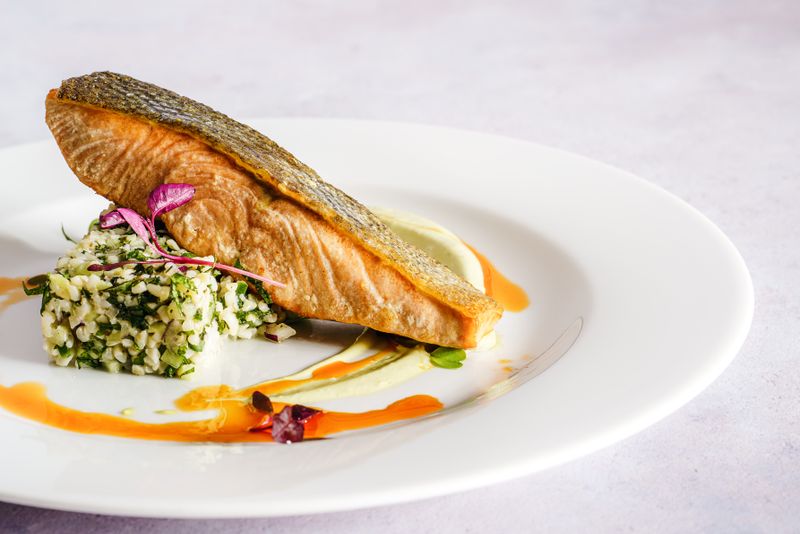
Omega-3 fatty acids build flexible neuronal membranes and spark BDNF for new brain cell growth. They calm neuroinflammation, a root of depression and low mood. Fatty fish like salmon stand out as top sources in the diet.
Eating 2-3 seafood servings weekly fits easily into meals, think grilled fish with veggies. This supports neurogenesis and eases recovery from mental health dips. Pair with olive oil for extra benefits seen in Mediterranean patterns.
Research suggests omega-3s help balance the brain during stress or fatigue. Avoid over-relying on supplements; fresh sources nourish the whole body. Robert, a friend who battled depression, swears by weekly fish tacos for steadier moods.
For vegetarians, try algae oil or walnuts, though fish delivers the full punch. Consistent intake fights the fog of ADHD-like symptoms and builds resilience. Make it a habit for lasting brain health gains.
B Vitamins and Folate
Blend spinach smoothies daily with berries for a quick win, or toss kale into salads. These steps boost neurotransmitter function without overlap from fats like omega-3s. Zinc pairs well here, found in nuts and legumes, to sharpen signaling.
Low levels link to irritability and depression risk, especially in nutrient-poor diets heavy on processed foods. A traditional diet with these counters that, supporting the microbiome via fiber. Parents see kids' focus improve, dodging ADHD traits.
Experts recommend whole foods over pills for steady supply. Add eggs or grass-fed beef for B12 punch. This dietary pattern fosters mental health and cuts fatigue for real-world recovery.
How Diet Affects Brain Chemistry
Everyday foods tweak serotonin, dopamine, and norepinephrine levels, directly lifting or dragging your mood. Your brain relies on nutrients from what you eat to produce these chemicals. A balanced meal can spark that calm feeling after eating, while junk food often leaves you wired or crashed.
Think about a lunch of leafy greens, nuts, and fish. These deliver omega-3 fatty acids and other nutrients that support brain health. They help reduce inflammation, which ties into low mood and irritability from poor dietary patterns like the Western diet heavy on processed foods.
Dopamine fuels focus and pleasure, often boosted by tyrosine-rich foods like eggs or grass-fed beef. Norepinephrine keeps you alert, drawn from similar sources. Skipping whole foods risks nutrient deficiencies that worsen fatigue or even ADHD symptoms.
A Mediterranean diet style eating, with olive oil, legumes, and seafood, promotes steady brain chemistry. It aids neurogenesis via BDNF and strengthens neuronal membranes. Simple food choices like these can shift mental health over time.
Serotonin and Tryptophan
Tryptophan from nuts and legumes crosses into your brain to make serotonin, the feel-good chemical. This pathway links diet to mood stability and fights off depression risk. Pair it right, and you notice less irritability or fatigue.
To increase absorption, combine tryptophan sources with carbs. Try an apple sliced with almond butter, or oats topped with seeds. This combo helps tryptophan slip past the blood-brain barrier more easily for better serotonin production.
Avoid pitfalls like skipping meals, which tanks serotonin levels and spikes low mood. Experts recommend steady nutrient-dense meals to keep the gut-brain axis happy via fiber and prebiotics. Probiotic foods like yogurt support the microbiome too.
In mental illness recovery, consistent intake of folate, vitamin B12, and zinc from leafy greens and seafood matters. Hippocrates knew food influenced health, and modern views echo that dietary intervention beats some meds like Vyvanse for mild cases. Robert Lustig highlights how sugar messes this up, so stick to whole foods.
Evidence from Scientific Studies
Observational studies often track large groups over time. These reveal patterns where whole foods link to better mental outcomes than processed options. For instance, diets rich in fish and leafy greens appear tied to lower low mood and irritability.
Experts like Robert emphasize dietary patterns over single foods. Traditional diets with olive oil, nuts, and legumes show promise for reducing depression risk. This work builds on ideas from Hippocrates, who noted food's role in health long ago.
Practical steps emerge from this research. Try adding omega-3 fatty acids from seafood or grass-fed beef to meals. Such changes may ease fatigue and support recovery from mental illness symptoms.
Observational Research Findings
Large observational studies link traditional diets to lower depression risk compared to processed-heavy patterns. The Nurses Health Study followed women and noted trends in dietary habits and mental health. It pointed to benefits from patterns heavy in whole foods over Western diets full of processed items.
Robert and others stress that food choices matter in patterns, not isolation. Mediterranean-style eating with fish, nuts, and olive oil stands out. These approaches seem to counter neuroinflammation and support the microbiome.
Key nutrients like folate, vitamin B12, and zinc play roles here. Leafy greens and legumes provide them, aiding serotonin and BDNF for neurogenesis. Poor diets may lead to deficiencies that worsen ADHD or low mood.
Actionable advice includes swapping processed foods for probiotic foods and prebiotics like fiber-rich options. This gut-brain support can reduce irritability and fatigue. Experts recommend gradual shifts toward nutrient-dense meals for brain health.
Foods That Boost Mental Well-Being
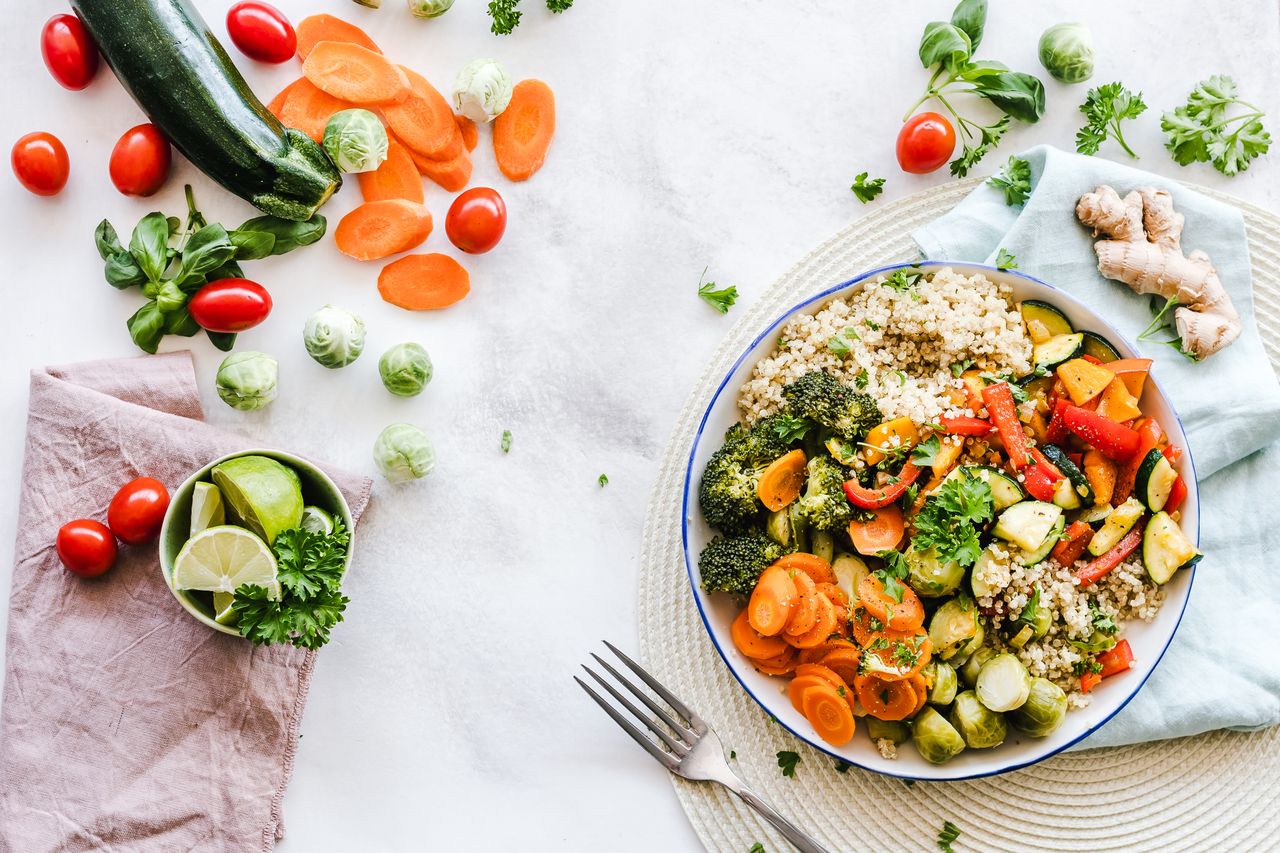
Nutrient-dense picks like olive oil drizzled on leafy greens and grass-fed beef steady your mood naturally. These whole foods support brain health by providing key nutrients that fight inflammation and aid neurotransmitter production. Swapping processed foods for these choices can ease low mood and irritability over time.
Fish tops the list for omega-3 fatty acids, which help maintain neuronal membranes and reduce neuroinflammation. Experts recommend fatty fish like salmon to lower depression risk through better serotonin and dopamine balance. Try a simple salmon salad with leafy greens for lunch.
Leafy greens such as spinach pack folate and vitamin B12, tackling common nutrient deficiencies linked to fatigue and mental illness. These support the microbiome via fiber acting as prebiotics. Put them in a smoothie with nuts for a quick mood lift.
Nuts and legumes offer zinc and steady energy, promoting BDNF for neurogenesis and gut-brain connections. A handful of almonds or a chickpea stir-fry fits any meal. Grass-fed beef provides B vitamins for norepinephrine, helping with ADHD symptoms during recovery.
Quick Nutrient Matches
Fatty fish
Rich in omega-3 fatty acids that support serotonin production and help reduce brain inflammation linked to low mood.-
Leafy greens
High in folate and vitamin B12, which fight fatigue and support dopamine and overall brain function. -
Nuts
Provide zinc and healthy fats that boost BDNF, helping brain resilience and reducing irritability. -
Legumes
Packed with fiber and prebiotics that nourish the gut microbiome, supporting mental health through the gut–brain axis. -
Olive oil
Contains monounsaturated fats that lower neuroinflammation and support long-term brain health. -
Grass-fed beef
A strong source of vitamin B12 and iron, helping stabilize mood and support norepinephrine for focus and energy. -
Probiotic foods (yogurt, kefir)
Supply live cultures that strengthen the gut–brain connection and improve emotional balance.
Foods and Diets That Harm Mood
Processed foods in the Western diet spike inflammation, feeding low mood and even mimicking ADHD symptoms. Think about grabbing a bag of chips or a sugary soda after a long day. That quick hit feels good at first, but the crash leaves you irritable and foggy.
Sugary snacks and refined carbs mess with blood sugar, leading to energy dips that drag down your mental health. Common culprits include candy bars, white bread, and fast food fries. You might notice fatigue or that afternoon slump right after lunch.
These foods also harm the gut-brain connection by starving your microbiome of fiber. Without enough good bacteria, inflammation rises, which can worsen depression risk. Swap them for whole foods like veggies and nuts to steady your mood.
After eating too much junk food, you feel exhausted, staring at your screen with no focus, like ADHD brain fog without the medication.Vyvanse. Robert Lustig warns how sugar addiction plays into this cycle. Simple food choices matter more than you think for brain health.
Sugary Snacks and Energy Crashes
Sugary treats promise a mood boost, but they trigger insulin spikes followed by crashes. Your serotonin and dopamine levels yo-yo, leaving you anxious or down. It's a common trap during stressful weeks.
Instead of reaching for candy, try leafy greens or berries for steady energy. These provide folate and other nutrients without the drop. You'll feel more even-keeled through the day.
Experts like Hippocrates knew food affects recovery from mental illness. Ditching sugar helps cut neuroinflammation, supporting better focus and less irritability.
Processed Foods vs. Whole Foods Swap
The Western diet heavy on processed items lacks nutrients like omega-3 fatty acids and zinc, linked to low mood. Fried foods and sodas promote oxidative stress in neuronal membranes. Real-life example: post-pizza fatigue hits hard.
Switch to a Mediterranean diet style with fish, olive oil, and legumes. This dietary pattern feeds BDNF for neurogenesis and cuts depression risk. Your microbiome thrives on the fiber too.
Nutrient deficiencies from junk show up as brain fog or fatigue. Whole foods like probiotic foods and prebiotics restore balance. Small swaps lead to big mood lifts over time.
Practical Dietary Strategies
Small swaps build a mental health-friendly plate, easing symptoms toward better recovery. You can start by picking whole foods over processed ones. This simple shift supports brain health and cuts down on inflammation.
Focus on a dietary pattern like the Mediterranean diet, rich in fish, leafy greens, nuts, and olive oil. These choices increase omega-3 fatty acids in neuronal membranes and neurogenesis. They also help balance serotonin and dopamine levels tied to low mood and irritability.
Pay attention to your microbiome with probiotic foods and prebiotics from fiber. Nutrient dense options like legumes and fermented foods feed good gut bacteria, aiding the gut-brain connection. Avoid the Western diet's pitfalls to lower depression risk from nutrient deficiencies.
Follow these numbered steps for quick wins. Each takes little time, fitting busy days. Track changes in fatigue or ADHD-like symptoms over weeks.
- Start your day with fermented foods for a probiotic boost. Try yogurt or kefir with fruit, 10-min prep. This supports BDNF and norepinephrine for steady mood.
- Add omega-3 rich fish or seafood twice weekly, 20-min bake. Grass-fed beef works too for zinc and folate. These fight neuroinflammation linked to mental illness.
- Snack on nuts and leafy greens daily, no prep needed. Pair with olive oil for absorption. This traditional diet approach echoes Hippocrates on food as medicine.
- Add fiber with legumes and prebiotics, 15-min stir-fry. It counters Vyvanse side effects like irritability. Consistency aids recovery from disability.
Best Practices
Eat whole foods first
Reduces inflammation and supports serotonin production.
Quick tip: Fill half your plate with vegetables at each meal.-
Choose fatty fish often
Provides omega-3 fatty acids essential for brain health and mood balance.
Quick tip: Grill or bake salmon with herbs twice per week. -
Include fermented foods
Strengthens the gut microbiome and supports the gut–brain axis.
Quick tip: Add sauerkraut or yogurt to one meal daily. -
Limit processed foods
Helps prevent nutrient deficiencies linked to depression and low energy.
Quick tip: Swap chips and sweets for nuts or fruit.
Common mistakes include ignoring fiber, which starves your microbiome. Skipping vitamin B12 from seafood leads to fatigue. Robert Lustig warns processed foods spike dopamine crashes, worsening low mood.
Conclusion: Food Is a Powerful Tool for Mental Well-Being
What you eat doesn’t just fuel your body, it directly shapes your mood, focus, and emotional balance. Scientific research continues to confirm that the gut–brain connection plays a major role in mental health, influencing serotonin, dopamine, and inflammation levels that affect how you feel each day.
Diets rich in whole foods such as fatty fish, leafy greens, legumes, nuts, olive oil, and fermented foods support brain health by reducing inflammation, nourishing the gut microbiome, and providing essential nutrients like omega-3s, B vitamins, and folate. In contrast, highly processed foods and excess sugar can disrupt brain chemistry, worsen fatigue, and increase the risk of low mood and anxiety.
For Canadians, factors like long winters, limited sunlight, and daily stress make nutrition even more important for maintaining mental well-being. Adopting a Mediterranean-style dietary pattern and making small, consistent food choices can lead to noticeable improvements in energy, focus, and emotional stability over time.
While food is not a replacement for professional care, it is a powerful foundation for better mental health. By choosing nutrient-dense foods and supporting your gut health, you give your brain the tools it needs to function at its best—one meal at a time.
If you want to see how nutrient-rich diets can not only improve your mood but also boost fitness results, check out our guide to the top Canadian diets for 2026.
.jpg)

.jpg)