
Mindful Living • Productivity • Wellbeing
The Perfect Daily Routine for 2026
The best routine is not the most impressive one. It is the one that helps you feel clear, steady, and fully present in the life you are actually living.

There is a certain kind of promise hidden inside the phrase “new routine.” It makes us imagine a cleaner desk, earlier mornings, more energy, fewer distractions, and a version of ourselves who somehow remembers to drink water, answer messages calmly, and still have enough life left at the end of the day. But the perfect daily routine for 2026 is not about becoming a different person overnight. It is about designing your days around what actually helps you function well.
That matters more than ever now. Our days are fuller, noisier, and more fragmented than they used to be. Work slips into home. Notifications follow us everywhere. Rest often becomes something we try to earn after exhaustion rather than something we build into the rhythm of the day. The good news is that a better routine does not need to be strict, aesthetic, or optimized to the minute. It simply needs to support your energy instead of constantly draining it.
Begin the day before the world gets loud
A strong morning routine for productivity rarely begins with doing more. It usually begins with doing less. Less rushing. Less reaching for your phone before your feet touch the floor. Less letting the rest of the world decide the tone of your day before you have had a chance to meet yourself in it. Even fifteen or twenty quiet minutes can change the shape of a morning completely.
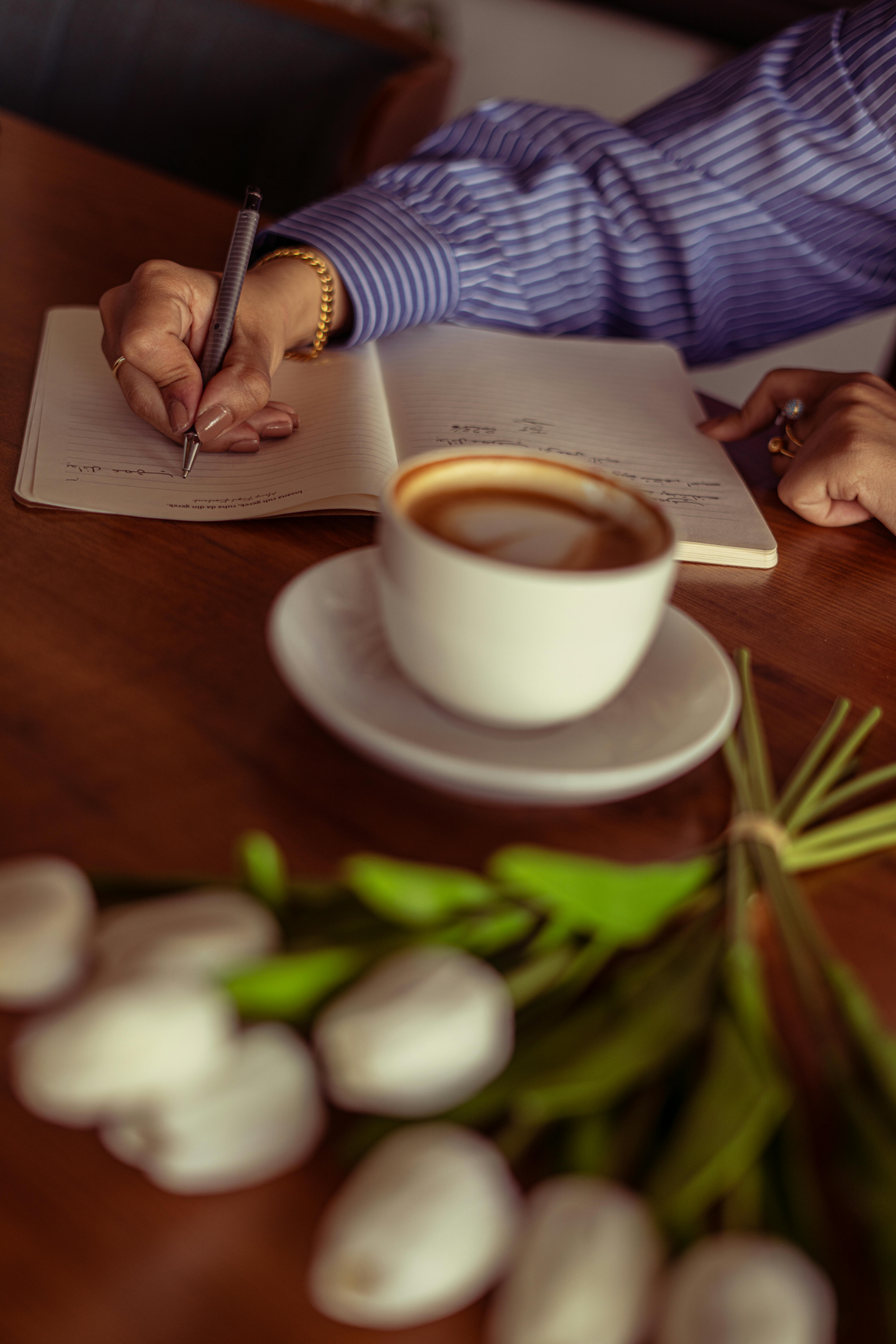
That might mean opening the curtains before opening your inbox. Drinking water. Stretching for a few minutes. Sitting with a notebook and writing down what matters today before the noise begins. There is no single perfect formula here, and that is important. The best healthy habits are the ones that feel natural enough to repeat. If meditation helps, do that. If a slow walk around the block clears your head more effectively than journaling, choose the walk.
The point is not to create a cinematic morning. It is to create a useful one. When you begin the day with even a small amount of intention, you are less likely to spend the next twelve hours reacting to everything that appears in front of you. You become less scattered. Less hurried. More able to tell the difference between what is urgent and what simply feels loud.
Protect your best energy, not just your time
One of the most useful time management tips for 2026 is also one of the simplest: stop treating every hour as if it has the same value. It does not. Most of us have a window in the day when we think more clearly, write better, solve problems faster, and make fewer mistakes. For many people, that window arrives in the morning. For others, it comes later. The important thing is to notice when your mind is naturally at its best, then protect that period from shallow work.
This is where deep work becomes less of a productivity buzzword and more of a practical kindness. Instead of scattering your focus across email, messages, tabs, and half-finished tasks, give one important thing your full attention for a defined block of time. An hour and a half of uninterrupted work can often move your life forward more than an entire day of low-grade busyness. The key is not heroic discipline. It is reducing friction before you begin.
A good routine should not make you feel like you are constantly catching up with your own life.
Build for steadiness
That may mean silencing notifications, closing unnecessary tabs, or deciding in advance exactly what “done” looks like. It may also mean giving yourself permission not to be available to everyone at every moment. Modern productivity often looks deceptively quiet from the outside. It is not frantic. It is protected. It asks fewer things of your attention at once, and because of that, it gives more of your attention to what matters.

Let movement break up the day
A healthy daily routine is not built from the neck up. Your body is part of your productivity, your mood, and your ability to stay engaged with your own life. Yet so many people still treat movement as a separate appointment they either squeeze in perfectly or miss entirely. A better approach is to weave it through the day in smaller, more sustainable ways.
A walk after lunch. Ten minutes of stretching between work blocks. Standing up while you take a call. Stepping outside for light instead of scrolling through another break. None of these habits look dramatic, but they work. They help reset your attention, reduce that heavy afternoon fog, and remind your nervous system that the day is not meant to be spent in one frozen posture.
This is one reason routines fail when they are built only around output. They forget that human beings have bodies that need movement, air, hydration, and pause. The more your day includes those things naturally, the less you have to recover from your schedule later. Consistency is usually born from gentleness, not force.

End the day in a way your body can trust
The most underrated part of any daily routine in 2026 may be the way it closes. We often think of evenings as spare time, something to fill however we like after the important work is done. But how you end the day determines a great deal about how you enter the next one. A good evening routine does not need to be elaborate. It simply needs to signal to your body that the pace is changing.
Dim the lights a little earlier. Put your phone in another room for the last part of the night. Read a few pages. Prepare tomorrow’s essentials so the morning does not begin in a scramble. If your mind is busy, write down what is circling there instead of carrying it into bed. These rituals may seem small, but small rituals are exactly what help the nervous system believe that rest is allowed.
In the end, the perfect routine is not a list you perform flawlessly. It is a rhythm you can return to. Some days will be interrupted. Some mornings will start late. Some evenings will not be restful at all. That does not mean the routine has failed. It means you are living a real life. The goal is not perfection. The goal is to create enough structure that your days feel more like they belong to you again.
Read next: Fitness Tips for Athletes: Preventing Injuries with Treadmills