
Body • Balance • Truth
How to Lose 5kg in 2 Weeks: The Brutally Honest Guide
Fast weight loss is possible, but not in the way most people want to hear. Here is what actually works, what does not, and where the real trade-offs live.
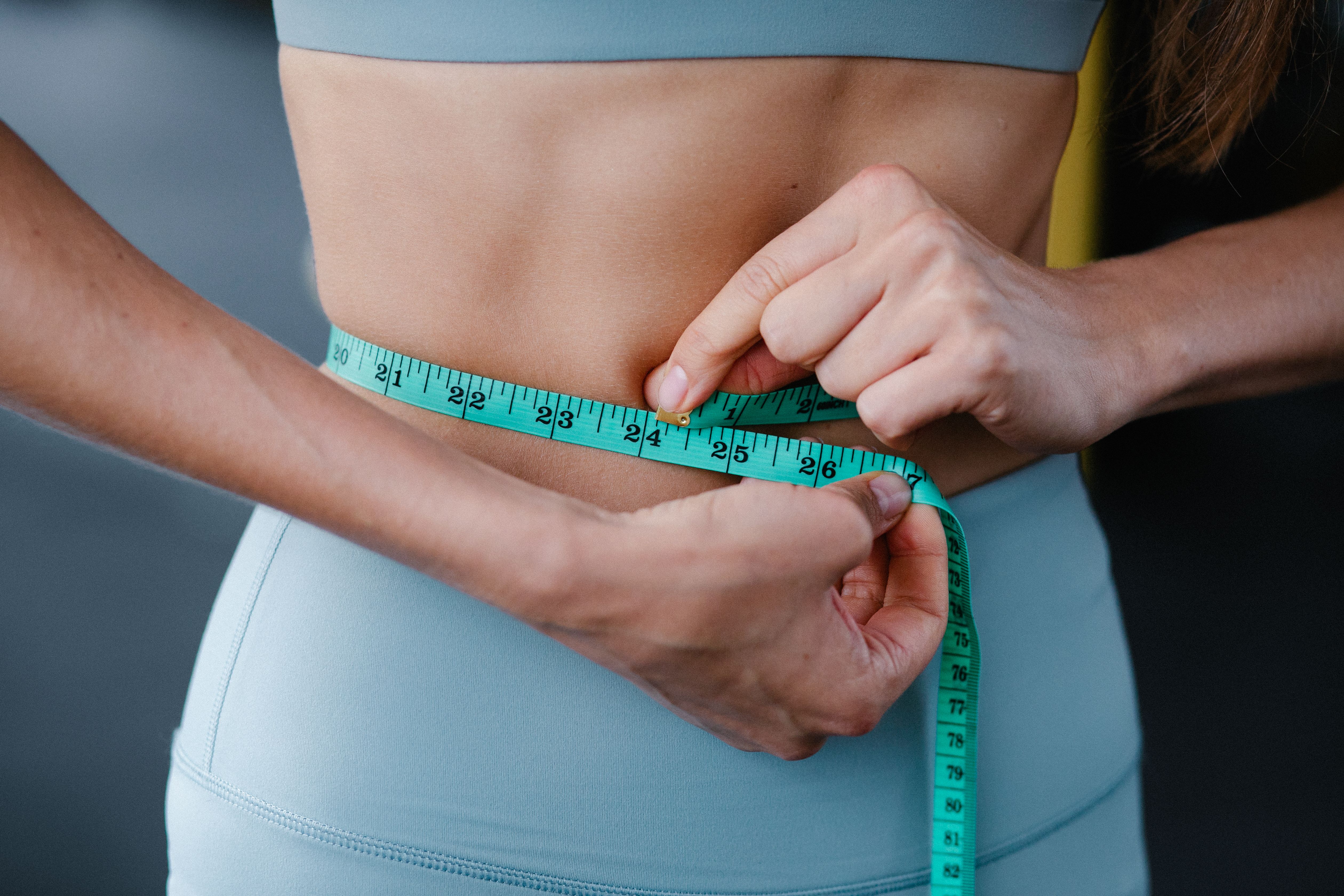
Let us start with the part most weight loss articles try very hard to avoid: losing 5kg in 2 weeks is aggressive. Not impossible for everyone, but aggressive. And if someone promises you that it will happen easily, cleanly, and without trade-offs, they are selling you a fantasy. Real weight loss is rarely dramatic in the way social media makes it look. It is repetitive, sometimes boring, occasionally uncomfortable, and much more dependent on consistency than motivation.
That does not mean the goal is pointless. If you have a holiday coming up, a wedding, a photoshoot, or simply a moment where you want to feel lighter in your body, two focused weeks can absolutely create visible change. You may lose fat. You will almost certainly lose water weight and reduce bloating. Your clothes may fit better, your face may look leaner, and your energy may improve if you stop eating in ways that leave you sluggish. But the success of those two weeks depends on one thing above all else: being honest about what actually drives weight loss.
First, the uncomfortable truth: fat loss comes from a calorie deficit
No detox tea, no waist trainer, no secret fat-burning smoothie changes this. If your body is going to lose weight, it needs to use more energy than it takes in. That is the entire game. Everything else — low-carb, intermittent fasting, meal timing, cardio, high protein, clean eating — is simply a different strategy for making that deficit easier to create and easier to stick to.
The tricky part is that a full 5kg of pure fat loss in 14 days is unrealistic for most people. One kilogram of body fat stores roughly 7,700 calories. Five kilograms of fat would mean a deficit of almost 38,500 calories, which works out to more than 2,700 calories every single day for two weeks. That is not just hard. For most bodies, it is neither safe nor sustainable. So when people lose 5kg quickly, part of that drop is usually water, reduced glycogen, less food sitting in the digestive system, and then some actual fat loss alongside it.
That is not a failure. It is biology. And it is still progress. If the number on the scale drops, your waist feels less tight, and you are building habits that make continued fat loss possible after those two weeks, then the effort is doing exactly what it should. The mistake is not aiming high. The mistake is expecting your body to behave like a machine instead of a living system.
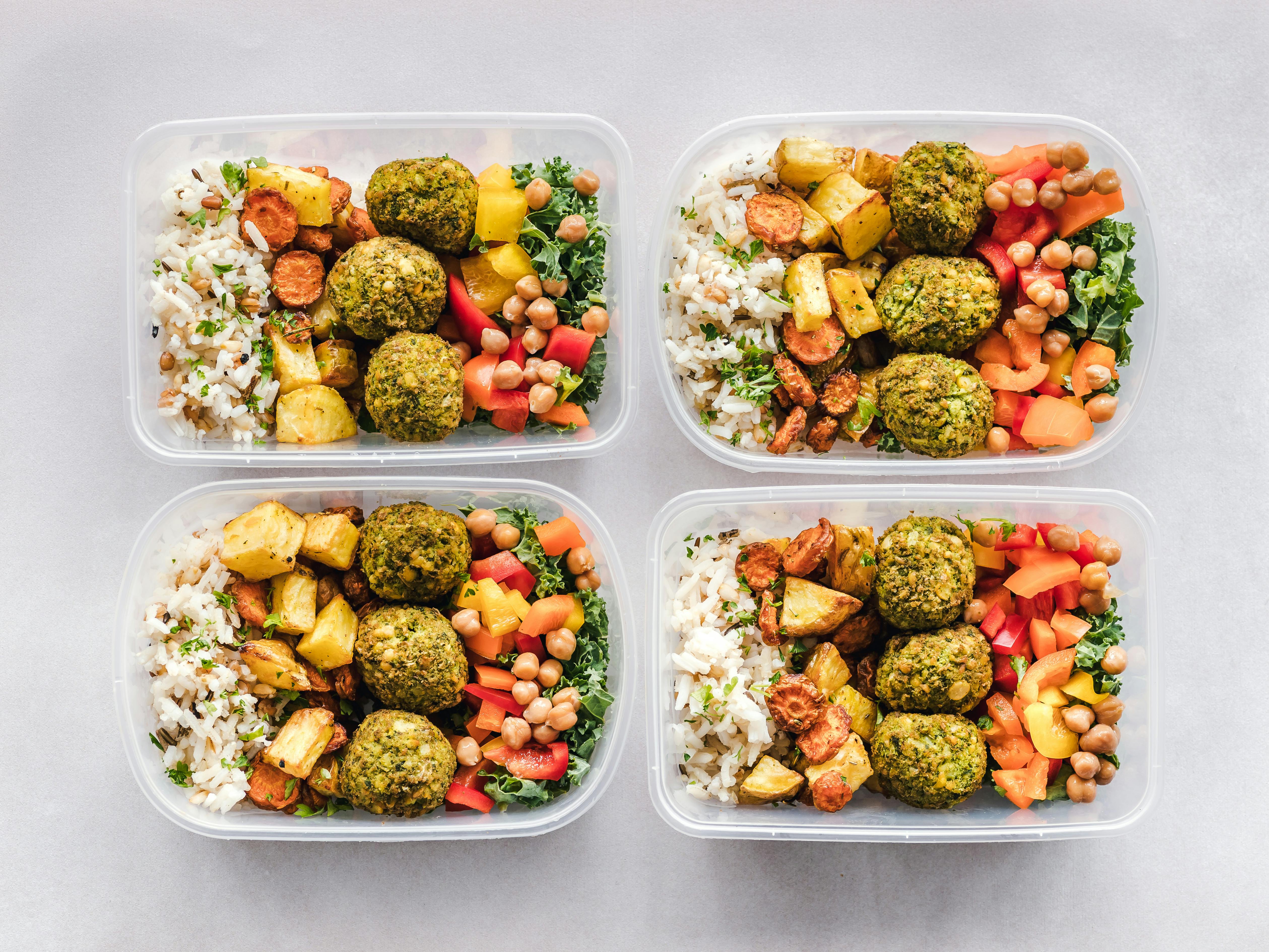
What your two-week plan actually needs to look like
If you want noticeable results quickly, your food has to become simpler. Not joyless, not obsessive, just simpler. Build most meals around lean protein, vegetables, fruit, and a controlled portion of carbohydrates or healthy fats. Think eggs and berries, chicken and vegetables, Greek yogurt and fruit, tuna salad, lentil bowls, grilled fish, potatoes, rice, soup, oats. Foods that leave you satisfied, not sedated.
Protein matters more than most people realise because it helps preserve muscle while you are eating less, and it keeps hunger from turning every afternoon into a negotiation with the biscuit tin. Vegetables matter because volume matters. When your plate looks generous, your brain is less likely to panic. And liquid calories — sugary coffees, fizzy drinks, juice, frequent alcohol — are often the easiest place to create a deficit without feeling especially deprived.
The plan that works is not the one that feels heroic on day one. It is the one you can still follow on day ten.
Discipline, not drama
It also helps to stop grazing. A little bite here, a handful there, one spoonful while cooking, one snack because the day was stressful — these things are small individually and surprisingly large together. For two weeks, eat meals on purpose. Let snacks be intentional instead of accidental. That kind of structure is not punishment. It is what gives your body a clear enough signal to change.

Exercise helps — but it is not the magic wand people want it to be
Exercise absolutely matters during a short fat-loss phase, but mainly because it supports the deficit, protects muscle, improves mood, and gives your days a sense of momentum. It is not there to erase overeating. One intense workout does not cancel out a day of casual snacking. That mindset leads to frustration very quickly. A better approach is to use movement as reinforcement, not punishment.
For these two weeks, walking may be your most underrated weapon. A daily walk adds calorie burn without making you ravenous, sore, or exhausted. Add strength training three or four times per week if you can, even if it is just thirty minutes of squats, lunges, rows, presses, and core work. Strength work helps you keep the shape of your body while the scale changes. Add some cardio if you enjoy it, but do not make the mistake of thinking you need to destroy yourself every day.
The best routine for quick weight loss is often surprisingly plain: eat in a controlled deficit, walk a lot, lift a few times a week, and repeat. It will not look very impressive on the internet. It will simply work better than swinging between starvation and exhaustion.

Do not ignore the boring things: water, sleep, and stress
This is where a lot of short-term plans fall apart. People focus so hard on calories that they forget the conditions that make good choices easier. When you are dehydrated, you feel hungrier. When you are underslept, your cravings become louder and your willpower becomes weaker. When your stress is high, you reach for quick relief, not necessarily what serves your goal.
Drink enough water that you are not confusing thirst for hunger. Sleep enough that your body is not begging for sugar by mid-afternoon. Keep sodium-heavy takeaway meals and highly processed foods lower for a while if bloating is one of the things you want to reduce. None of this is glamorous, but the visible difference over two weeks can be surprisingly significant.
And when the two weeks are over, resist the urge to immediately undo everything in one weekend. The real win is not just the number you see on day fourteen. It is using those fourteen days to prove to yourself that your body responds when you give it clear instructions. You do not need perfection. You need enough honesty to stop chasing shortcuts and enough patience to keep going after the quick-fix deadline has passed.
A useful place to start
If you want to create a realistic calorie deficit, it helps to know how much energy your body roughly burns before you even add workouts. That is where your BMR comes in.
Calculate your BMR here →