
Move • Build • Begin
Best Home Workout Program for Beginners – No Gym Needed
You do not need a gym membership, fancy equipment, or a perfect routine to get stronger. You just need a simple plan you can actually repeat.
Getting Strong Starts Here
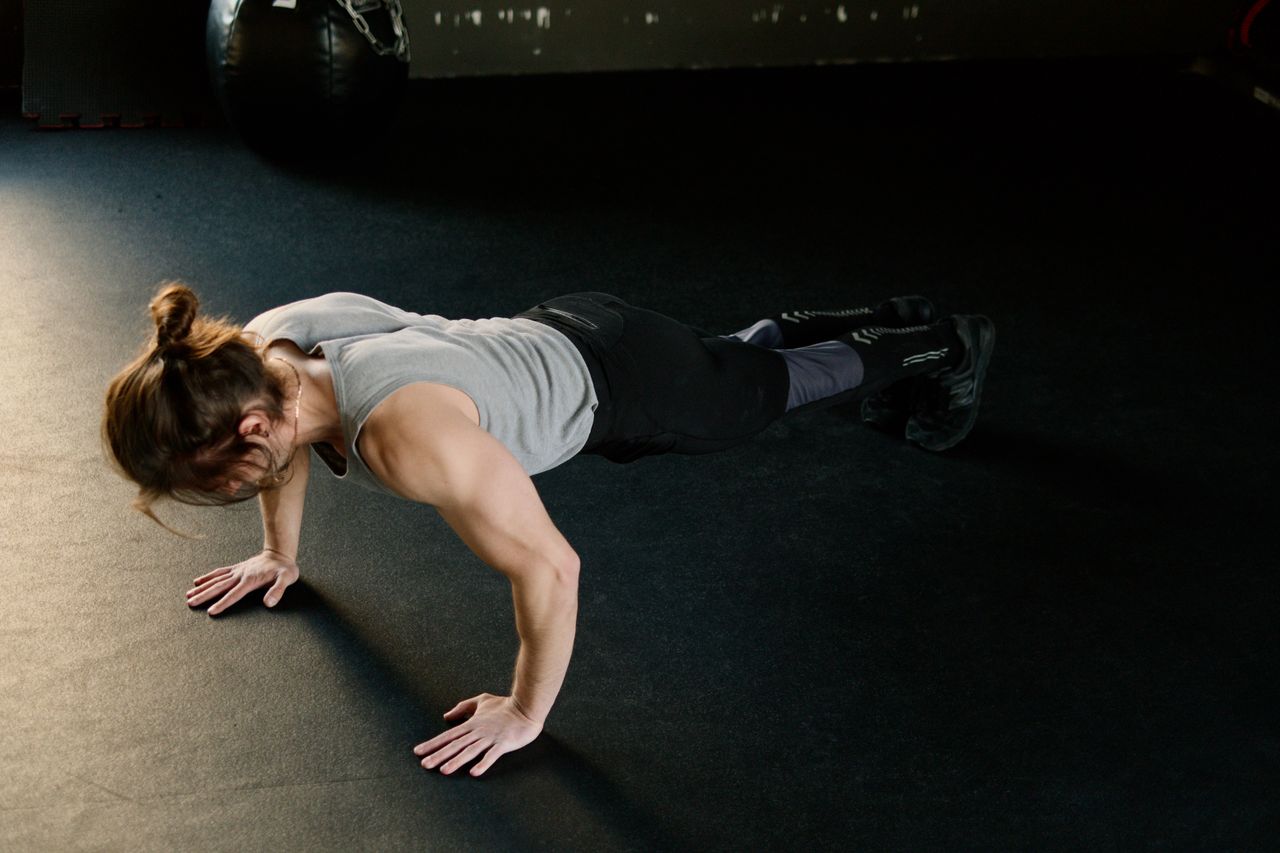
Starting a workout routine at home can feel almost too simple to trust. No machines, no mirrors, no packed class, no trainer shouting over music — just you, a little floor space, and the decision to begin. But that simplicity is exactly what makes a home workout program so powerful for beginners. When the barrier to entry is low, consistency becomes much easier to build.
If you are new to exercise, the goal is not to turn your living room into a bootcamp overnight. The goal is to create a rhythm your body can adapt to and your mind does not immediately rebel against. A good no gym workout plan should help you build strength, improve stamina, move better, and feel more confident — without leaving you so sore that you avoid it for the next five days.
First, forget the idea that beginners need extreme workouts
A lot of people think a workout only counts if it leaves them breathless, drenched, and collapsing dramatically onto the floor. That is not fitness. That is often just poor pacing. For beginners, the most useful home workout is one that challenges you enough to create progress but not so much that you dread doing it again.
Your body needs repetition more than punishment. In the beginning, simple bodyweight exercises at home — squats, glute bridges, incline push-ups, lunges, planks, and controlled core work — are more than enough. They teach coordination, build basic strength, and help you become familiar with how your body moves before you ever worry about heavier loads or advanced training.
The best home workout for beginners is built around three things: consistency, control, and gradual progression. You do not need to be impressive. You need to be present often enough for your body to understand that this is no longer a one-off effort. It is becoming part of your life.
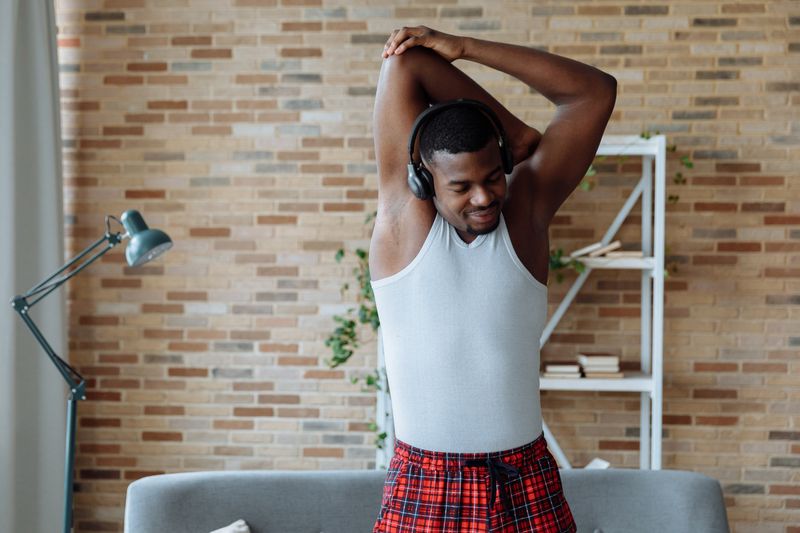
Warming Up Before Your First Set
A simple no gym workout plan you can actually follow
If you are wondering where to begin, start with three full-body sessions each week. That is enough to create meaningful change without overwhelming your schedule or your recovery. Think of it as a rhythm rather than a challenge: train, rest, train, rest, train, then let the weekend breathe a little.
Each session can stay beautifully simple. Begin with five minutes of marching in place, arm circles, shoulder rolls, and easy bodyweight squats. Then move through the circuit below at a steady pace, rest for one minute, and repeat it two or three times depending on how you feel.
Your beginner circuit
Do this 3 times per week
Move through each exercise with control, not speed. If you are just starting, complete 2 rounds. After 2–3 weeks, build up to 3 rounds.
| Exercise | Reps / Time | Focus |
|---|---|---|
| Bodyweight Squats | 12 reps | Legs + glutes |
| Incline Push-Ups | 10 reps | Chest + arms |
| Glute Bridges | 12 reps | Glutes + hips |
| Reverse Lunges | 8 each side | Balance + legs |
| Plank | 20 seconds | Core stability |
| Marching High Knees | 20 seconds | Light cardio |
You do not need a perfect plan. You need a plan simple enough to become a habit.
Beginner wisdom
This is a real workout, even if it does not look dramatic on paper. Squats build the lower body. Push-ups teach upper-body strength. Glute bridges wake up the hips. Lunges improve balance. Planks strengthen the trunk. And the short cardio finish helps you leave the session feeling alive rather than destroyed.
Building Lower Body Strength

How to make progress without making things complicated
The mistake many beginners make is thinking progress only means doing harder and harder exercises. It does not. Progress can mean better form, one extra repetition, a slightly longer plank, fewer breaks, or simply feeling less exhausted after the same workout than you did two weeks ago. Those small changes matter because they show your body is adapting.
Once your first few weeks feel manageable, then you can begin to increase the challenge. Add another round. Slow the lowering phase of a squat. Hold your glute bridge a little longer. Move from wall push-ups to a lower surface. These are quiet forms of progression, but they are the kind that build real strength without making you feel like you need to reinvent your routine every Monday.
And if your main goal includes a stronger midsection, remember that core work does not need to dominate your entire routine. A few focused minutes done well can go a long way, especially when paired with full-body movement and consistency.
Watch the movement
If you want to add a short core finisher after your workout, this 5-minute abs routine is an easy place to start. Watch it once, then move along at your own pace.

Core Strength Through Stability
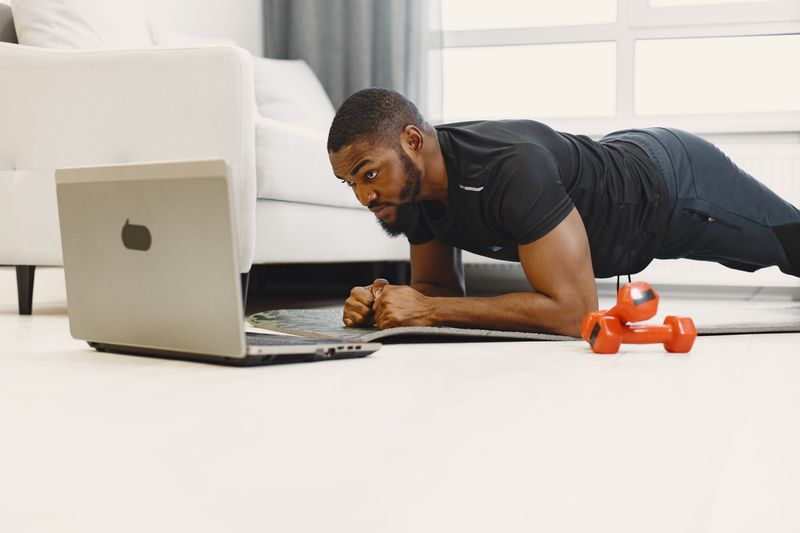
The part nobody wants to hear: recovery is part of the workout too
When you are motivated, it is tempting to believe more is always better. But for beginners, recovery is not laziness. It is part of the process that makes improvement possible. Your body gets stronger between workouts, not only during them. That means sleep, hydration, walking, stretching, and rest days all deserve more respect than they usually get.
If you are constantly sore, exhausted, and dreading your next session, the plan is probably too much. A good home workout program should leave you feeling worked, yes — but also encouraged. The goal is to build momentum, not to prove toughness for a week and then disappear from your own routine.
And if your bigger goal is fat loss as well as fitness, remember that workouts are only one piece of the picture. Your daily movement, eating habits, sleep, and overall energy balance matter too. Exercise can change your body beautifully, but it works best when the rest of your lifestyle is gently moving in the same direction.
Recovery and Flexibility Matter

A useful place to start
If your goal is not just to move more but also to understand how your body uses energy, learning your BMR can help you set more realistic expectations around fat loss and daily calorie needs.
Calculate your BMR here →