
Move • Build • Begin
The Beginner’s Guide to Getting Strong at Home
You do not need a perfect setup, an expensive membership, or an hour of free time. You just need a simple routine that feels possible enough to keep doing.
A Stronger Routine Starts at Home

There is something quietly powerful about training at home. No commute. No waiting for equipment. No pressure to perform for anyone else in the room. Just a patch of floor, a little focus, and the chance to reconnect with your body in a way that feels honest and sustainable.
For beginners, that simplicity matters. A good home fitness program should not leave you confused, overwhelmed, or so sore that you avoid moving for three days. It should help you feel stronger, steadier, and more capable week by week — not because every session is brutal, but because every session is repeatable.
The best beginner workout is the one you can keep doing
A lot of people begin with the wrong idea. They think exercise has to feel punishing before it can be effective. They chase exhaustion, sweat, and soreness because that is what they assume progress should look like. But for most beginners, the fastest route to better fitness is not intensity. It is consistency.
Your body responds beautifully to simple movement performed often and with attention. Squats, push-ups, bridges, lunges, planks, and gentle conditioning work can build a strong foundation when they are done with care. You do not need dozens of exercises. You need a handful of useful ones that help you move better and feel more at home in your own body.
In the beginning, your goal is not to impress anyone. It is to create a rhythm. Two or three sessions a week. Enough effort to wake the body up. Enough restraint to want to come back. That is where lasting change begins.
Begin Gently, Move Better

A simple full-body plan to start with
If you are not sure where to begin, start with a full-body routine three times a week. That gives your body enough stimulus to improve while still leaving space to recover. Think Monday, Wednesday, and Friday — or any rhythm that works with your real life.
Before each session, warm up with marching in place, arm circles, hip rotations, and a few slow bodyweight squats. Then move through the circuit below at a steady pace. Rest for a minute at the end and repeat for two or three rounds depending on your energy and experience.
Your beginner circuit
Do this 3 times per week
Move slowly enough to stay in control. Start with 2 rounds, then build toward 3 as your body gets stronger.
| Exercise | Reps / Time | Focus |
|---|---|---|
| Bodyweight Squats | 12 reps | Legs + glutes |
| Incline Push-Ups | 10 reps | Chest + arms |
| Glute Bridges | 12 reps | Hips + glutes |
| Reverse Lunges | 8 each side | Balance + legs |
| Plank | 20 seconds | Core stability |
| Marching High Knees | 20 seconds | Light cardio |
You do not need a perfect plan. You need a plan simple enough to become a habit.
Beginner wisdom
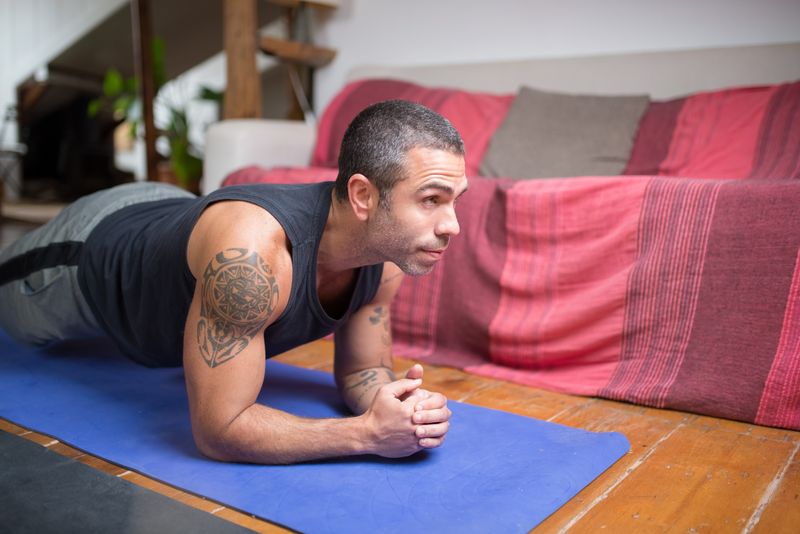
This may look modest on paper, but it is more than enough to begin. Squats teach strength and control. Push-ups develop the upper body. Bridges wake up muscles that often go quiet when we spend too much time sitting. Lunges challenge coordination. Planks teach the body to brace and stay strong from the inside out.
Strength Lives in the Basics

Progress does not need to be dramatic to be real
One of the biggest mistakes beginners make is assuming progress only counts when the workout becomes much harder. In reality, progress often appears in quieter ways first. Your form improves. You need fewer pauses. Your breathing settles faster. The same movement that once felt awkward begins to feel natural.
Once the routine starts to feel manageable, you can add a little more. One extra round. Two more reps. A slightly longer plank. A slower lowering phase in your squat. These small changes are enough to challenge the body without making the routine feel intimidating or unsustainable.
The goal is not to reinvent your workout every week. It is to stay with it long enough for your body to respond. Repetition is not boring when it is building something.
Watch the movement
If you want a little extra core work after your session, this short finisher is an easy place to start. Watch it once, then move at your own pace.

Control Before Intensity
Recovery is not the opposite of progress
When motivation is high, it is easy to believe that more is always better. More sessions, more sweat, more effort, more discipline. But for beginners, recovery is part of the plan, not an interruption to it. Your body gets stronger in the space between workouts, when it has time to adapt and rebuild.
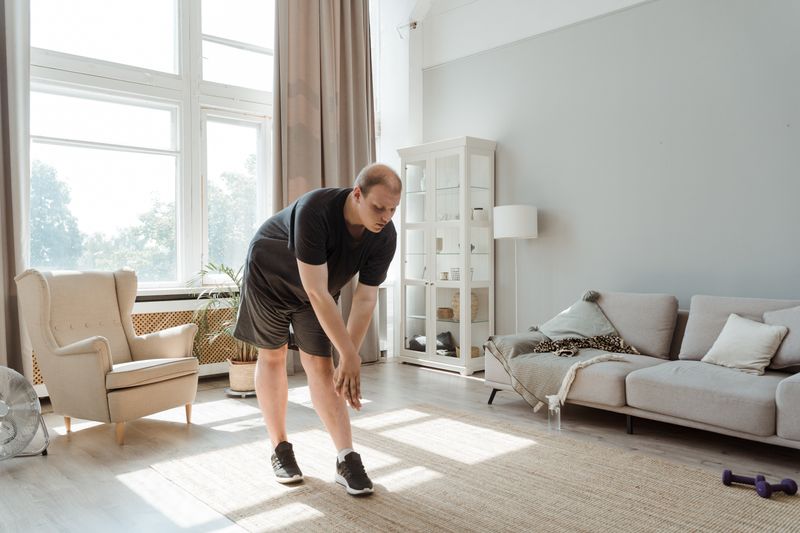
That means sleep matters. Walking matters. Hydration matters. Stretching matters. So does taking a rest day without guilt. If every session leaves you exhausted and discouraged, the routine is asking too much of you too soon.
A good program should leave you feeling challenged but also encouraged. It should make you feel like you are becoming someone who moves, someone who follows through, someone who can trust their own effort. That is the kind of progress that lasts.
Finish Softly
A useful place to start
If your goal is also fat loss, understanding how much energy your body uses at rest can help you approach the process with a little more clarity and patience.
Calculate your BMR here →