
Cardio • Endurance • Heart Health
Zone 2 Cardio: The Complete Beginner's Guide for Fat Loss, Heart Health, and Endurance
Everything you need to know about Zone 2 heart rate training — what it is, why it works, and how to start this week with a simple 4-week plan.

If you have spent any time in fitness circles recently, you have probably heard people talking about Zone 2 cardio. Podcasters, longevity researchers, endurance coaches, and even bodybuilders are praising this low-intensity approach to cardiovascular training. And unlike most fitness trends, this one is backed by decades of exercise science. The best part? It is incredibly beginner-friendly. You do not need to be gasping for air or drenched in sweat. In fact, if you are, you are probably going too hard.
This guide will walk you through everything — what Zone 2 training actually is, how to find your personal Zone 2 heart rate, why it burns fat so effectively, and exactly how to structure your first four weeks. No jargon, no guesswork, just practical advice you can act on today.
What is Zone 2 cardio?
Heart rate training divides your effort into five zones based on a percentage of your maximum heart rate. Zone 1 is barely moving — think a slow stroll. Zone 5 is an all-out sprint where you can only last 30 seconds. Zone 2 sits in the sweet spot between 60–70% of your max heart rate. It feels like a conversational pace. You can talk in full sentences without gasping. You are working, but comfortably.
At this intensity, your body primarily uses fat as fuel rather than glycogen (stored carbohydrates). Your muscles rely on slow-twitch fibers and mitochondria — the energy factories inside your cells — to produce steady, sustainable energy. This is aerobic training in its purest form. No burning lungs, no shaky legs, just steady rhythmic movement that you could sustain for an hour or more.
Why Zone 2 cardio has become so popular
Researchers like Dr. Iñigo San Millán (who coaches Tour de France cyclists) brought Zone 2 training into public awareness through podcast appearances and published studies. His research showed that metabolic health, cancer prevention, and cardiovascular longevity are all closely linked to mitochondrial function — which Zone 2 training specifically improves. Suddenly, the same training method used by elite endurance athletes became relevant for everyday people who simply want to live longer and healthier.
The appeal is also practical. Zone 2 workouts do not wreck your body. They do not require days of recovery. You can do them frequently without joint pain or burnout. For beginners who feel intimidated by high-intensity classes, Zone 2 cardio is a revelation — you can get powerful health benefits without suffering.
The science behind Zone 2 training
At Zone 2 intensity, your body operates just below the first lactate threshold. Lactate is a byproduct of intense exercise — when you cross that threshold, it accumulates faster than your body can clear it. Zone 2 keeps you right beneath that line, which forces your mitochondria to become more efficient at processing fat and producing energy aerobically.
Over weeks and months of consistent Zone 2 training, your mitochondria literally grow in number and size. Your capillary network expands, delivering more oxygen to working muscles. Your heart's stroke volume increases — meaning it pumps more blood per beat. These are the same adaptations that elite endurance athletes spend years developing. The difference is you build them at a comfortable, sustainable pace.
Key takeaway
Zone 2 training improves your body's ability to use fat as fuel, increases mitochondrial density, and strengthens your cardiovascular system — all without the stress and recovery demands of high-intensity training.
Benefits of Zone 2 cardio for fat loss
Here is what makes Zone 2 a powerful fat burning cardio method: at this intensity, roughly 60–70% of the calories you burn come directly from fat. During high-intensity exercise, your body shifts to burning primarily carbohydrates because it needs energy faster than fat oxidation can deliver. Zone 2 keeps you in the fat-burning sweet spot for extended periods — 30, 45, even 60 minutes of predominantly fat-fueled work.
There is a compounding effect too. As your mitochondria become more efficient over weeks of training, your body gets better at burning fat even at rest. Your metabolic flexibility improves — meaning you switch between fuel sources more efficiently throughout the day. This is why many coaches consider Zone 2 the foundation of any serious fat loss workout plan, even though it feels easy during the session itself.
Benefits for heart health
Zone 2 cardio strengthens your heart in ways that higher-intensity work cannot replicate as safely. At this moderate effort, your heart fills completely between beats, stretching the left ventricle and increasing stroke volume over time. This is called eccentric cardiac hypertrophy — a healthy enlargement of the heart that reduces resting heart rate and blood pressure.
Regular Zone 2 training also improves your autonomic nervous system balance, increasing heart rate variability (HRV). Higher HRV is associated with lower cardiovascular disease risk, better stress resilience, and improved recovery. For anyone concerned about long-term heart health, consistent aerobic training in Zone 2 is one of the most evidence-backed interventions available.
Benefits for endurance
Endurance training is not about suffering — it is about building a bigger aerobic engine. Zone 2 develops your aerobic base, which determines how long you can sustain effort before fatigue sets in. Whether you want to run a 5K without stopping, cycle longer distances, or simply have more energy throughout the day, your aerobic base is the foundation.
Professional endurance athletes spend 80% of their training time in Zone 2. The remaining 20% is high intensity. This 80/20 split consistently outperforms approaches that rely heavily on hard sessions. For beginners, this means the majority of your cardio for beginners plan should feel surprisingly easy — and that is by design.

How to find your Zone 2 heart rate
The simplest formula: subtract your age from 220 to estimate your maximum heart rate. Then calculate 60–70% of that number. For example, a 35-year-old would have a max HR of roughly 185 bpm. Zone 2 would fall between 111–130 bpm. This is an estimate — individual variation exists, but it gives you a solid starting range.
The talk test is equally reliable and requires no device. If you can speak in complete sentences without pausing to breathe, you are likely in Zone 2. If you can only get out a few words at a time, you have drifted into Zone 3 or higher. Slow down. Zone 2 should feel almost too easy — that is the point.
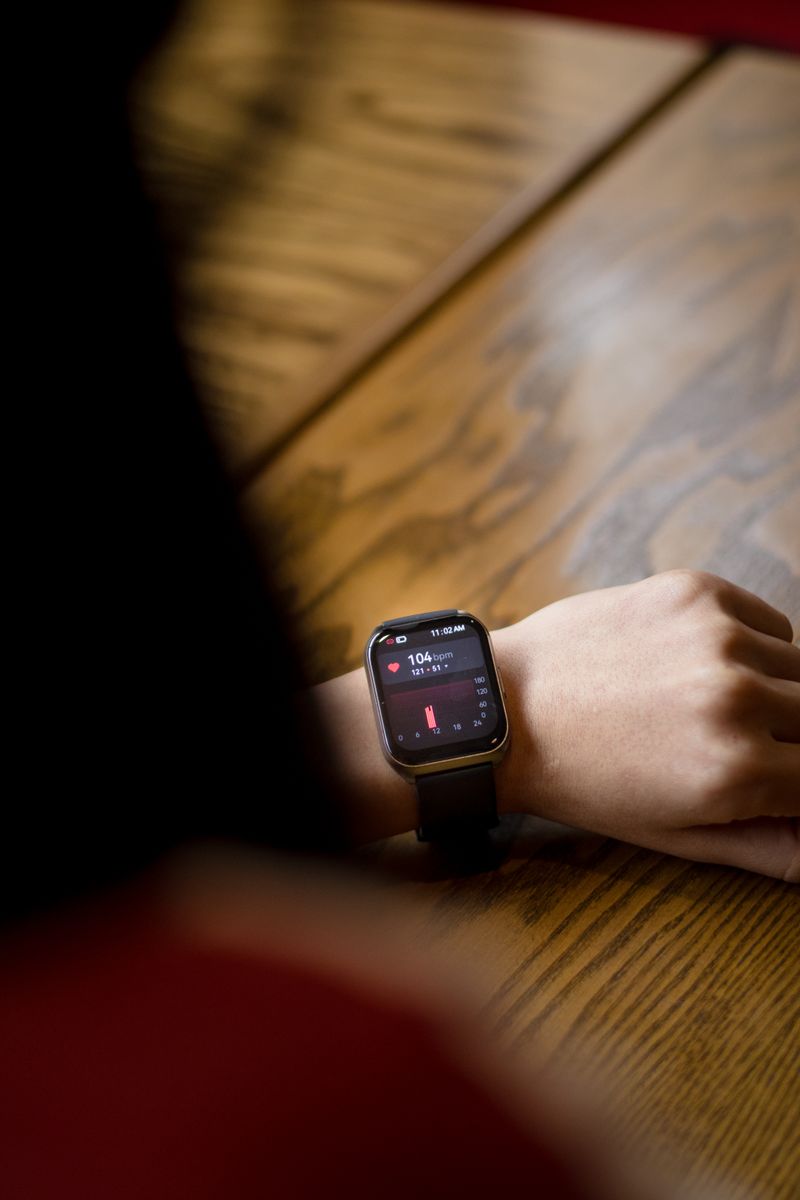
For accuracy, a chest strap heart rate monitor is more reliable than a wrist-based smartwatch. But any device that gives you real-time feedback will help you stay in the correct range. Over time, you will learn to feel Zone 2 without constantly checking your watch.
Beginner mistakes to avoid
Going too fast. This is the number one mistake. Zone 2 feels embarrassingly slow for most people at first. Your ego will tell you to speed up. Resist. If your heart rate creeps above 70% of your max, slow down or walk. The adaptations happen at low intensity — pushing harder does not make them happen faster.
Not being consistent. One Zone 2 session per week will not produce meaningful results. You need frequency — three to four sessions minimum. The magic of Zone 2 is cumulative. Each session builds on the last. Miss a week and you lose momentum.
Skipping the warm-up. Even though Zone 2 is low intensity, spending 5 minutes gradually raising your heart rate prevents the early spike that pushes you above zone before you settle in. Also, do not judge progress by how you feel during a single session. Track resting heart rate and pace-at-heart-rate over weeks — that is where you will see real improvement.
Zone 2 vs HIIT: which is better?
This is not an either-or question. Zone 2 and HIIT serve different purposes and complement each other beautifully. Zone 2 builds your aerobic base, improves fat oxidation, and develops cardiovascular efficiency with minimal recovery cost. HIIT improves anaerobic capacity, boosts VO2max, and provides a potent metabolic stimulus in less time.
For beginners, Zone 2 should be your primary focus. It is safer, more sustainable, and builds the foundation that makes HIIT more effective later. A beginner doing five HIIT sessions per week will burn out or get injured. A beginner doing four Zone 2 sessions and one interval session per week will build a robust fitness base they can maintain for life.
Think of it this way: Zone 2 is the volume knob on your fitness. HIIT is the peak. You need a wide, strong base before building a sharp peak. Most recreational exercisers do too much intensity and not enough steady aerobic work.
If you cannot hold a conversation during your cardio session, you are not in Zone 2. Slow down. The results come from patience, not pain.
Coaching principle
Best exercises for Zone 2 cardio
Any sustained, rhythmic activity works for a Zone 2 workout — as long as you can control intensity and maintain it for 30+ minutes. Here are the best options for beginners:
Brisk walking
The most accessible option. Many beginners find that a fast-paced walk on a slight incline puts them right in Zone 2. Zero impact, zero equipment beyond shoes. Walk outdoors or on a treadmill with a 3–5% incline.
Easy jogging
If your fitness allows it, a slow jog keeps you in Zone 2 nicely. The key word is slow. Many runners need to drastically reduce their pace to stay in Zone 2 — sometimes by 1–2 minutes per kilometre slower than their usual pace.
Cycling (outdoor or stationary)
Cycling is excellent for Zone 2 because it is low-impact and easy to control intensity with gears or resistance settings. Stationary bikes are particularly useful since terrain and wind do not interfere with your effort level.
Swimming
Swimming at a relaxed pace is a full-body Zone 2 option that is completely non-weight-bearing. Great for anyone with joint concerns. The challenge is monitoring heart rate — a waterproof chest strap helps.
Rowing (low resistance)
A rowing machine at low resistance engages your entire body while keeping intensity manageable. Focus on a smooth, unhurried stroke rate (18–22 strokes per minute) to stay in zone.

How many times per week should beginners train?
Start with three sessions per week in your first two weeks. Each session should last 30–40 minutes. As your aerobic fitness improves, increase to four or five sessions. The beauty of Zone 2 is that it does not require recovery days the way intense training does — your body can handle the frequency because the stress is low.
Aim for a total of 150–180 minutes of Zone 2 cardio per week as a starting target. Over time, progressing toward 180–240 minutes weekly will maximize the metabolic and cardiovascular benefits. Consistency matters far more than any single long session.
Sample 4-week beginner Zone 2 plan
This plan assumes you have no current cardio routine. Pick any Zone 2 activity you enjoy — walking, cycling, jogging, or a mix. The only rule: stay in your Zone 2 heart rate range the entire time.
Your 4-week schedule
Beginner Zone 2 Cardio Plan
Warm up for 5 minutes at an easy pace before each session. Cool down for 3–5 minutes afterward. All durations listed are for the main Zone 2 effort.
| Week | Sessions | Duration | Notes |
|---|---|---|---|
| Week 1 | 3 sessions | 30 min each | Walk or easy cycle. Focus on finding your Zone 2 pace. |
| Week 2 | 3 sessions | 35 min each | Add 5 minutes. Try a different activity for one session. |
| Week 3 | 4 sessions | 35–40 min each | Add a 4th day. Notice your pace improving at the same HR. |
| Week 4 | 4 sessions | 40–45 min each | Build toward 45 min. Track resting HR — it should be dropping. |

Frequently asked questions
Is Zone 2 cardio good for weight loss?
Yes. Zone 2 burns a high percentage of calories from fat and can be sustained for long durations, making it an effective fat loss workout when combined with a moderate calorie deficit. It also improves metabolic flexibility over time.
How do I know if I am actually in Zone 2?
Use the talk test: you should be able to speak full sentences without gasping. Alternatively, monitor your heart rate and stay between 60–70% of your estimated max. A heart rate monitor makes this simple and objective.
Can I do Zone 2 cardio every day?
Technically yes, because the intensity is low enough that recovery demands are minimal. However, 4–5 times per week is sufficient for most beginners. Listen to your body and take rest days when needed, especially if you are also doing strength training.
Do I need a heart rate monitor for Zone 2 training?
It helps significantly but is not strictly required. The talk test is a reliable alternative. That said, a chest strap or even a wrist-based device gives you objective feedback that prevents you from drifting above zone without realizing it.
How long before I see results from Zone 2 training?
Most people notice improved energy and easier breathing within 2–3 weeks. Measurable improvements in resting heart rate and pace-at-heart-rate typically appear after 4–6 weeks of consistent training. Fat loss timelines depend on your nutrition as well.
Is walking fast enough for Zone 2?
For many beginners, absolutely. A brisk walk — especially on an incline — is enough to reach 60–70% of max heart rate. As your fitness improves, you may need to jog or cycle to stay in zone, because walking alone will no longer elevate your heart rate enough.
Final thoughts: start slow, stay consistent, trust the process
Zone 2 cardio is not glamorous. There are no dramatic before-and-after photos from a single session. But over weeks and months, it quietly transforms your metabolism, strengthens your heart, builds endurance you can feel in everyday life, and creates the conditions for sustainable fat loss. It is the closest thing to a universal fitness recommendation that exercise science has produced.
Start with three 30-minute sessions this week. Pick an activity you enjoy. Use the talk test or a heart rate monitor to stay in zone. Do not overthink it. Show up, keep your effort honest, and let the adaptations accumulate. In a month, you will be fitter. In three months, you will be a different person.
And if you want to dial in your nutrition alongside your new training habit, knowing your daily calorie needs is a smart next step. Use the free BMR calculator linked below to find your baseline — then build your fat loss plan on real numbers, not guesswork.
Know your numbers
Calculate your Basal Metabolic Rate (BMR) and Total Daily Energy Expenditure (TDEE) to pair your Zone 2 training with the right nutrition strategy.