
Fitness • Fat Loss • Home Training
Best Bodyweight Exercises for Belly Fat (Beginner Guide)
No equipment. No gym membership. Just proven movements, honest advice, and a plan you can start today to reduce overall body fat — including that stubborn midsection.
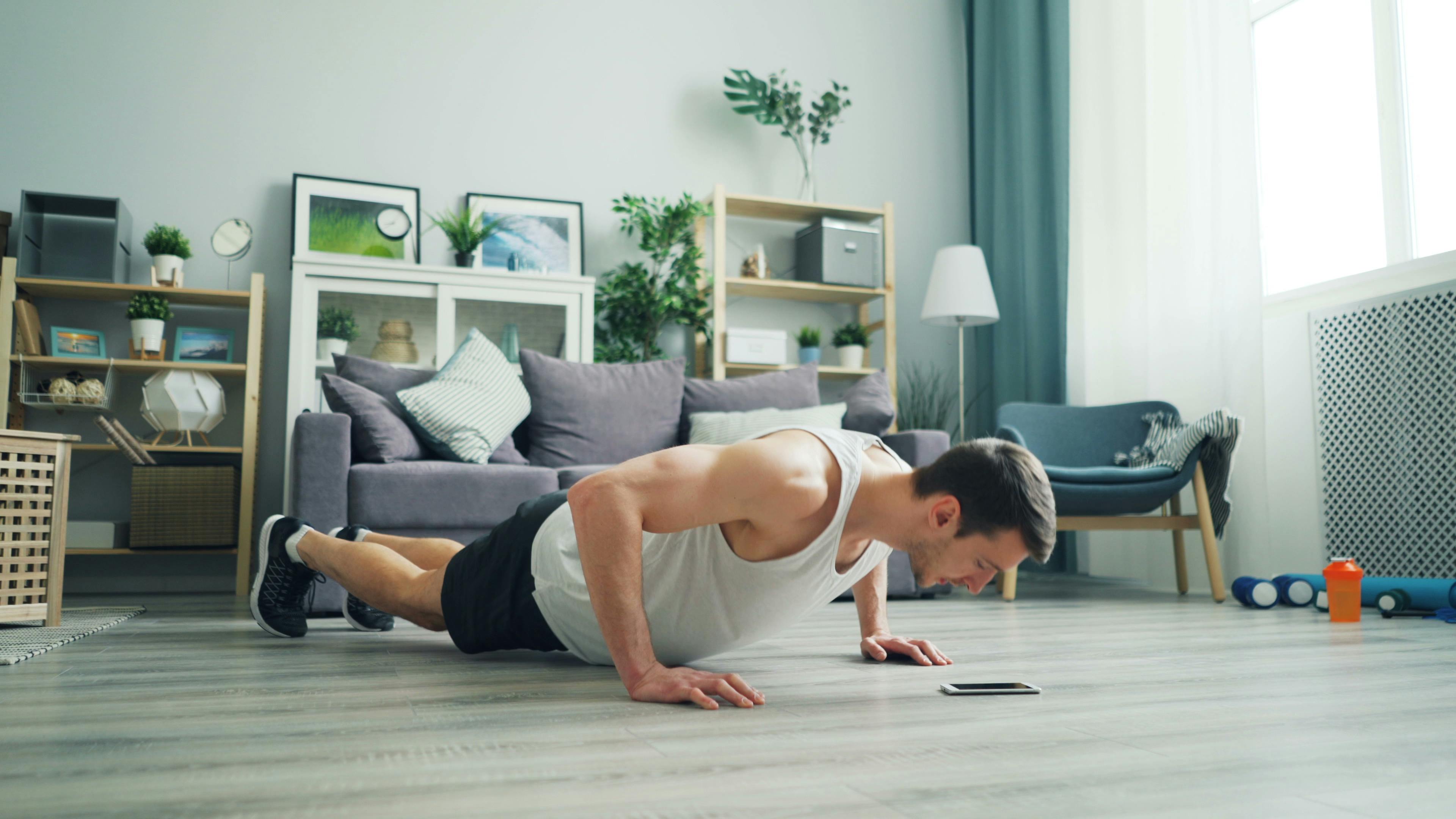
Let me be honest with you from the start: there is no single exercise that will magically melt fat off your belly. If someone promises you a flat stomach in seven days from crunches alone, they are selling you a fantasy. But here is what is true — bodyweight exercises, done consistently and combined with sensible eating habits, are one of the most accessible and effective ways to reduce your overall body fat percentage. And when overall body fat drops, belly fat goes with it.
I have spent over fifteen years coaching beginners through exactly this process. The people who succeed are not the ones who found a secret exercise. They are the ones who showed up three or four times a week, did simple movements with decent form, ate reasonably well, and gave their body time to change. This guide is built on that same philosophy.
Whether you are working out in your living room, a small apartment, or a hotel room while traveling, these bodyweight exercises require nothing but your own body and a little floor space. Let us get into the science, the movements, and a realistic plan you can begin this week.
Can bodyweight exercises actually help reduce belly fat?
Yes — but not in the way most people think. You cannot target fat loss from a specific body part. This concept is called spot reduction, and decades of research have consistently shown it does not work. When you do crunches, you strengthen your abdominal muscles, but you are not preferentially burning the fat that sits on top of them.
What actually happens is this: when you create a calorie deficit through exercise and nutrition, your body draws energy from fat stores throughout the entire body. Genetics largely determine where you lose fat first and last. For many people, the belly is one of the last places to lean out — which is frustrating but normal.
Bodyweight exercises help by increasing your daily calorie expenditure, building lean muscle mass (which raises your resting metabolism), and improving insulin sensitivity. Over weeks and months, these effects compound into visible changes — including around your midsection.
Science check
A 2011 study published in the Journal of Strength and Conditioning Research had participants perform abdominal exercises for six weeks. The result? Improved muscular endurance but no measurable change in abdominal fat. Fat loss requires a whole-body approach — not targeted crunches.
Why full-body movements burn more calories
Here is a principle that will serve you well: the more muscle groups an exercise involves, the more energy it demands. A burpee works your chest, shoulders, core, quads, and hip flexors simultaneously. Compare that to a crunch, which primarily targets the rectus abdominis alone. The burpee burns dramatically more calories in the same amount of time.
This is why the exercises in this guide emphasize compound, full-body movements over isolation ab work. Squats, mountain climbers, burpees, and jumping jacks recruit large muscle groups and elevate your heart rate — creating what exercise scientists call excess post-exercise oxygen consumption (EPOC). Your body continues burning calories at an elevated rate even after you finish training.
That said, core-specific exercises like planks still have value. They build the stabilizing muscles that protect your spine, improve posture, and create a tighter midsection as body fat decreases. Think of them as complementary work rather than the centerpiece of your fat loss strategy.
The best bodyweight exercises for belly fat loss
Each exercise below was chosen for its calorie-burning potential, accessibility for beginners, and ability to build functional strength. I have included step-by-step instructions, common mistakes to avoid, and beginner modifications so you can start at whatever level feels right for you.
1. Burpees (Modified for Beginners)
The burpee is arguably the most efficient bodyweight exercise for fat loss. It combines a squat, a plank, and a jump into one fluid movement, demanding effort from nearly every muscle in your body. Beginners can skip the jump and step back instead of hopping — the movement still delivers excellent results. Muscles worked: quads, glutes, chest, shoulders, triceps, and core.
How to do it: Stand with feet shoulder-width apart. Bend your knees and place your hands on the floor in front of you. Step (or hop) your feet back into a plank position. Perform one push-up (optional for beginners — just hold the plank briefly). Step (or hop) your feet back toward your hands. Stand up and reach your arms overhead. That is one rep.
Common mistakes: Letting your hips sag in the plank position, rushing through the movement and sacrificing form, landing with locked knees on the jump. Beginner tip: Start with step-back burpees (no jump, no push-up) and add elements as you get stronger over the coming weeks.
Benefits: Extremely high calorie burn per rep, builds cardiovascular endurance, requires zero equipment, and trains your body to move as a coordinated unit. Even five clean reps will have your heart rate elevated.
2. Mountain Climbers
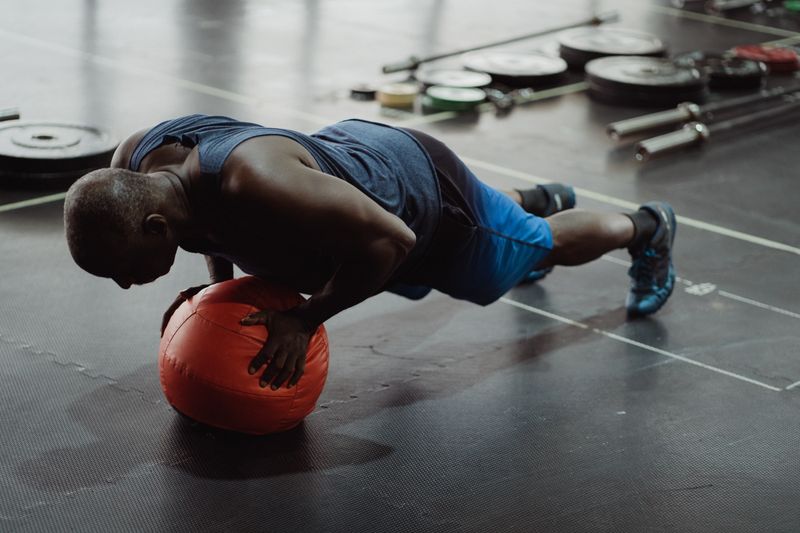
Mountain climbers combine a plank with a running motion, making them an excellent core exercise that also drives up your heart rate. They train your shoulders to stabilize, your hip flexors to move dynamically, and your cardiovascular system to work under load. Muscles worked: core, hip flexors, shoulders, quads, and chest.
How to do it: Start in a high plank position — hands under shoulders, body in a straight line from head to heels. Drive your right knee toward your chest, then quickly switch and bring your left knee in. Continue alternating at a pace you can sustain with good form. Aim for 20–30 seconds per set.
Common mistakes: Letting your hips rise too high (forming a tent shape), bouncing rather than driving the knees forward, holding your breath. Beginner tip: Slow the pace down. There is no rule saying mountain climbers need to be fast. A controlled, deliberate pace still builds strength and burns calories.
Benefits: Excellent calorie burn for a stationary exercise, strengthens the deep core stabilizers, improves coordination, and can be done in a very small space. They also translate well to other athletic movements.
3. Bodyweight Squats
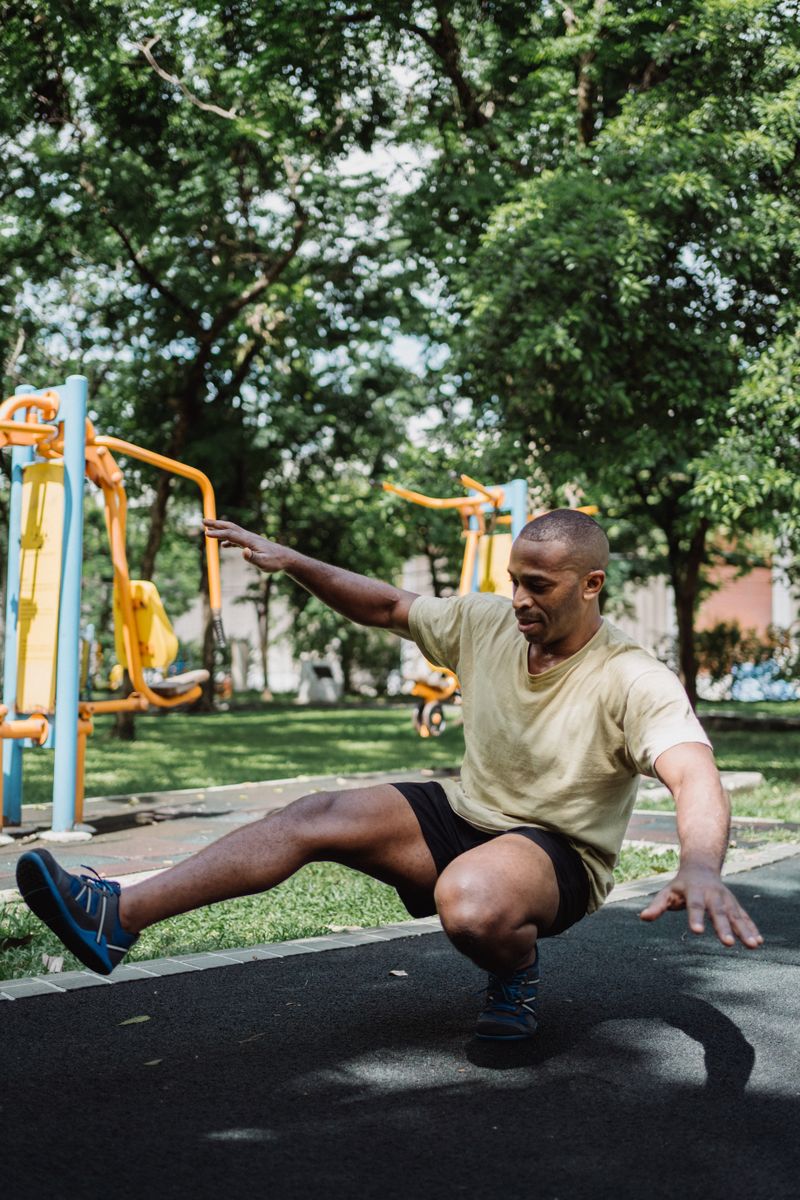
The squat is a foundational human movement pattern. It targets the largest muscles in your body — your glutes and quadriceps — which means it demands significant energy and contributes heavily to your overall calorie expenditure. Muscles worked: quads, glutes, hamstrings, core, and calves.
How to do it: Stand with feet slightly wider than hip-width, toes pointed slightly outward. Push your hips back as if sitting into a chair. Lower until your thighs are parallel to the floor (or as deep as comfortable). Drive through your heels to stand back up. Keep your chest up and core engaged throughout.
Common mistakes: Knees caving inward, rising onto the toes, rounding the lower back, not going deep enough. Beginner tip: Practice by actually sitting down to a chair and standing back up. Gradually reduce how much you use the chair until you can squat freely.
Benefits: Builds the largest calorie-burning muscles in your body, improves mobility and balance, strengthens bones and joints, and carries over to everyday activities like climbing stairs and picking things up.
4. Plank (and Variations)
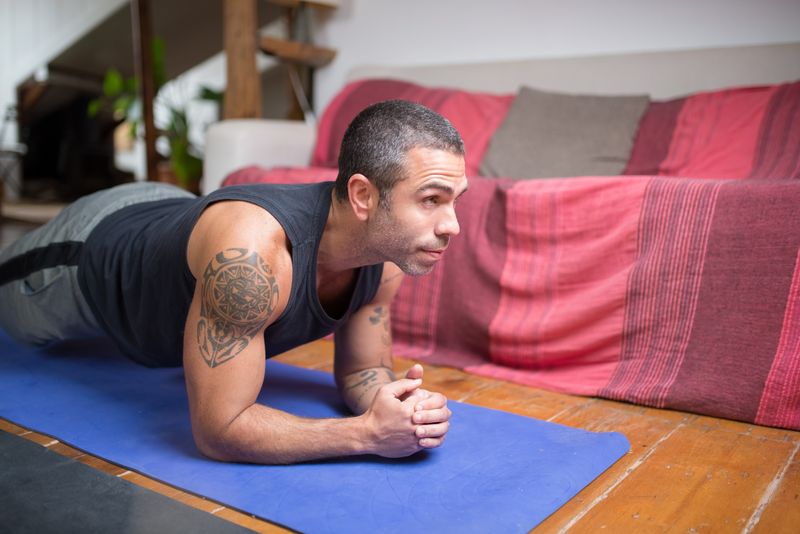
The plank is an isometric exercise — meaning you hold a position rather than moving through a range of motion. It builds deep core stability, which is essential for posture, spinal health, and athletic performance. Muscles worked: transverse abdominis, rectus abdominis, obliques, shoulders, glutes, and back extensors.
How to do it: Place your forearms on the floor with elbows directly under your shoulders. Extend your legs behind you, balancing on your toes. Your body should form a straight line from head to heels. Engage your core by pulling your belly button toward your spine. Hold for 20–30 seconds to start, building toward 60 seconds over time.
Common mistakes: Letting hips sag toward the floor, pushing hips too high, holding your breath, looking forward (which strains the neck). Beginner tip: Start on your knees if a full plank is too difficult. The goal is maintaining a neutral spine — not suffering through bad form.
Benefits: Builds a strong, stable core that supports every other exercise, reduces lower back pain risk, improves posture, and creates visible definition as body fat decreases. A strong plank also makes burpees and mountain climbers significantly easier.
5. Jumping Jacks
Jumping jacks are a classic cardiovascular exercise that most people underestimate. They elevate your heart rate quickly, engage your entire body, and serve as excellent active recovery between more demanding exercises. Muscles worked: calves, quads, hip abductors, shoulders, and core.
How to do it: Stand with feet together, arms at your sides. Jump your feet out wider than hip-width while simultaneously raising your arms overhead. Jump back to the starting position. Maintain a light, springy landing on the balls of your feet. Perform for 30–45 seconds per set.
Common mistakes: Landing flat-footed (hard on the joints), not fully extending the arms overhead, moving too fast and losing rhythm. Beginner tip: If jumping feels too intense, try stepping one foot out at a time (step jacks) while still raising your arms. You still get the cardiovascular benefit at lower impact.
Benefits: Excellent warm-up or cardio finisher, requires zero equipment or skill, improves coordination, and can be used to keep your heart rate elevated between strength exercises.
6. Glute Bridges
The glute bridge wakes up muscles that often become dormant from prolonged sitting. Strong glutes support your lower back, improve posture, and contribute to a higher resting metabolism because they are among the largest muscles in the body. Muscles worked: glutes, hamstrings, core, and lower back.
How to do it: Lie on your back with knees bent and feet flat on the floor, hip-width apart. Press through your heels to lift your hips toward the ceiling until your body forms a straight line from shoulders to knees. Squeeze your glutes at the top and hold for one second. Lower slowly and repeat for 12–15 reps.
Common mistakes: Hyperextending the lower back at the top, pushing through the toes instead of heels, rushing through reps without a squeeze at the top. Beginner tip: Place a folded towel under your upper back for comfort, and focus on feeling the glutes contract rather than just lifting the hips.
Benefits: Counteracts the effects of sitting all day, strengthens the posterior chain, reduces lower back pain, and builds the glute strength needed for squats and lunges. Low impact and joint-friendly.
You do not need to destroy yourself in every workout. You need to show up consistently and give honest effort. That is how belly fat disappears — slowly, then all at once.
A coach's perspective
Beginner weekly workout plan
Here is a simple, no-equipment workout plan you can follow at home. It alternates between full-body training days and active recovery to keep you progressing without burning out. Perform 2–3 rounds of each day's circuit with 60 seconds rest between rounds.
Your weekly schedule
Beginner Fat Loss Circuit — Week 1–4
Start with 2 rounds per session. By week 3 or 4, aim for 3 rounds. Rest 60 seconds between rounds and 15–20 seconds between exercises.
| Day | Exercises | Duration |
|---|---|---|
| Monday | Squats (12), Burpees (6), Plank (20s), Jumping Jacks (30s) | 20–25 min |
| Tuesday | Active rest — 20–30 min walk or gentle stretching | 20–30 min |
| Wednesday | Mountain Climbers (20s), Glute Bridges (12), Burpees (6), Plank (25s) | 20–25 min |
| Thursday | Active rest — walk, yoga, or mobility work | 20–30 min |
| Friday | Squats (15), Mountain Climbers (25s), Glute Bridges (15), Jumping Jacks (40s), Plank (30s) | 25–30 min |
How many days per week should beginners train?
For most beginners, three to four training days per week is the sweet spot. This gives you enough stimulus to improve your fitness and burn meaningful calories, while still allowing adequate recovery. Your muscles grow and adapt during rest — not during the workout itself. Skipping rest days does not accelerate results; it increases injury risk and fatigue.
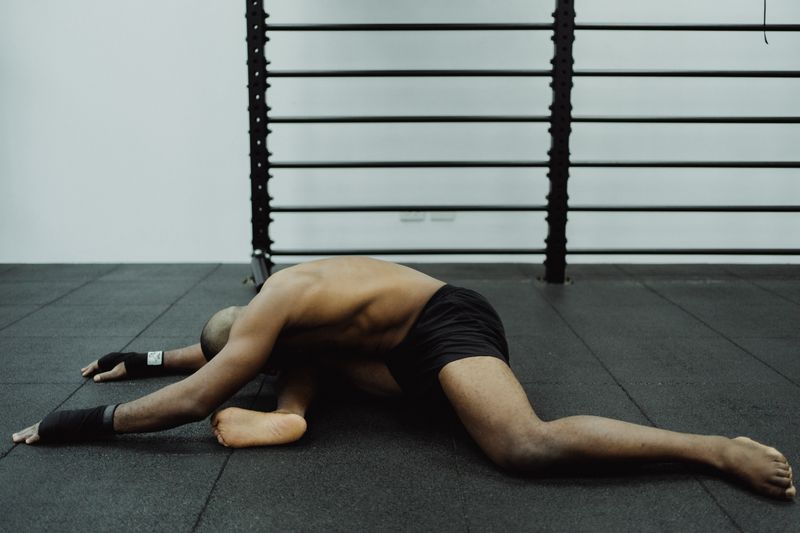
On your off days, stay active with low-intensity movement like walking, light stretching, or yoga. These activities support blood flow, reduce soreness, and contribute to your overall daily calorie expenditure without taxing your recovery capacity. Think of rest days as part of the plan, not a break from it.
Nutrition tips to support belly fat loss
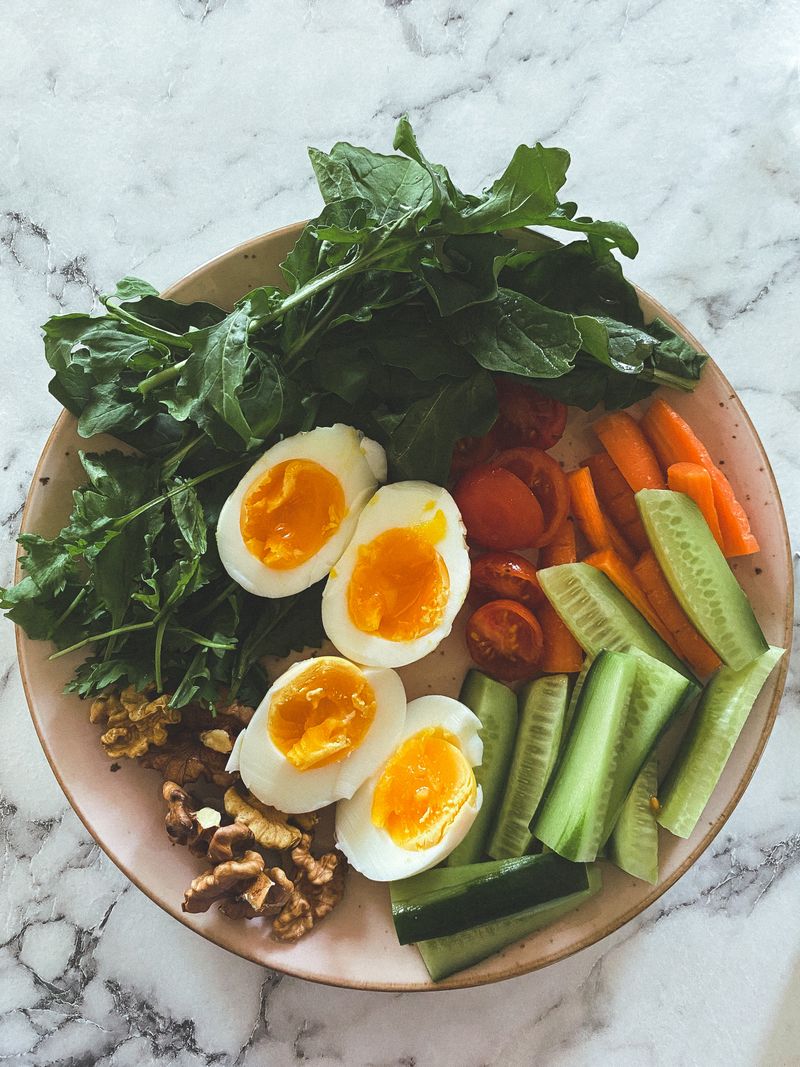
Exercise creates the conditions for fat loss, but nutrition determines whether it actually happens. You cannot out-train a consistently poor diet. The goal is not perfection — it is creating a moderate calorie deficit through better food choices and reasonable portions. Aim to eat slightly less than you burn, not starve yourself.
Prioritize protein at every meal (eggs, chicken, fish, legumes, Greek yogurt). Protein keeps you full longer, preserves muscle mass during fat loss, and has a higher thermic effect — meaning your body burns more calories digesting it. Fill half your plate with vegetables and include complex carbohydrates like oats, rice, or sweet potatoes for sustained energy.
Reduce liquid calories (sodas, juices, sweetened coffee drinks) and processed snacks. These are easy sources of excess calories that do not keep you full. Drink water throughout the day — often what feels like hunger is actually mild dehydration. You do not need to follow a named diet. You need to eat mostly whole foods in reasonable amounts, consistently.
Lifestyle habits that improve your results
Sleep: Aim for 7–9 hours per night. Sleep deprivation increases cortisol (a stress hormone linked to belly fat storage), disrupts hunger hormones, and reduces your willpower and energy for workouts. Improving your sleep quality is one of the most underrated fat loss strategies available.
Daily walking: Adding 7,000–10,000 steps per day dramatically increases your non-exercise calorie expenditure. A 30-minute walk after meals also improves blood sugar regulation. Walking is low-stress, joint-friendly, and stacks on top of your training without requiring recovery.
Stress management and hydration: Chronic stress elevates cortisol, which promotes fat storage around the midsection. Find something that works for you — deep breathing, journaling, time outdoors, or even just putting your phone down for an hour before bed. And drink water consistently. Aim for at least 2 liters daily, more if you are active or live in a warm climate.
Frequently asked questions
Can I lose belly fat with bodyweight exercises alone?
Bodyweight exercises contribute to fat loss by burning calories and building muscle. However, nutrition plays a larger role in creating the calorie deficit needed to lose fat. The best results come from combining consistent training with sensible eating habits.
How long does it take to see results?
Most beginners notice improved energy and strength within 2–3 weeks. Visible changes in body composition typically appear after 6–8 weeks of consistent training and proper nutrition. Be patient — sustainable fat loss happens at roughly 0.5–1 kg per week.
Do I need to do ab exercises every day to lose belly fat?
No. Training your abs daily is unnecessary and can lead to overuse. Include core work 2–3 times per week as part of a balanced routine. Remember, ab exercises strengthen muscles but do not directly burn belly fat.
Are bodyweight workouts effective for fat loss compared to gym workouts?
Absolutely. Research shows that high-intensity bodyweight circuits can burn comparable calories to traditional gym training. The best workout is the one you actually do consistently. If home training fits your life better, it will produce better results than a gym membership you rarely use.
Should I do cardio or strength training for belly fat?
Both have value. Strength training builds muscle (which raises your metabolism), while cardio burns calories during the session. The exercises in this guide combine both — burpees, mountain climbers, and jumping jacks elevate your heart rate while squats, planks, and bridges build strength.
What should I eat before and after a home workout?
Before training, eat a light snack with carbs and a little protein 30–60 minutes prior (a banana, toast with peanut butter, or yogurt). After training, aim for a balanced meal with protein and carbohydrates within 1–2 hours to support recovery.
Can walking help reduce belly fat?
Yes. Walking is a highly underrated fat loss tool. It burns calories without stressing your joints or requiring recovery time. A daily 30-minute walk can contribute meaningfully to your calorie deficit, especially when combined with structured workouts.
Is it normal for belly fat to be the last area to go?
Yes, this is extremely common. Fat distribution is largely genetic. Many people lose fat from their face, arms, and legs before their midsection. Stay consistent and trust the process — belly fat will reduce as your overall body fat percentage continues to drop.
Common beginner mistakes to avoid
Doing too much too soon. The most common mistake is starting with intense daily workouts that leave you exhausted and sore. This leads to burnout within two weeks. Start with 3 sessions per week and build gradually. Also avoid relying solely on ab exercises — crunches and sit-ups alone will not reduce belly fat. Prioritize full-body compound movements.
Ignoring nutrition. Many beginners train hard but eat poorly, then wonder why nothing changes. You cannot exercise away a bad diet. Similarly, skipping meals or eating too little backfires — extreme restriction slows metabolism, increases cravings, and leads to muscle loss rather than fat loss.
Chasing motivation instead of building habits. Motivation is unreliable. Some days you will not feel like training — and that is normal. The people who succeed are the ones who train anyway, even when it is just a shorter, easier session. Consistency over time always beats intensity without consistency.
Final thoughts: your belly fat loss journey starts now
Losing belly fat is not about finding the perfect exercise or the perfect diet. It is about showing up regularly, moving your body with intention, eating mostly whole foods, sleeping well, managing stress, and being patient with yourself. The exercises in this guide — burpees, mountain climbers, squats, planks, jumping jacks, and glute bridges — give you everything you need to get started at home with zero equipment.
Start where you are. If you can only manage two rounds of the circuit, that is enough. If step-back burpees are your limit, that is perfect. The only bad workout is the one that did not happen. Your body will adapt, your strength will grow, and over weeks and months, the fat will come off — including from your belly.
Bookmark this guide. Come back to it when you need a reminder that progress does not require perfection. It requires consistency, patience, and the willingness to keep going even when results feel slow. You have got this. Start today.
Ready to build a personalized plan?
Take the next step with an AI-powered workout planner designed specifically for your goals and fitness level.