
Mindset • Productivity • Self-Compassion
How to Stop Procrastinating: The Gentle Art of Finally Beginning
Procrastination is not laziness. It is a conversation between fear and desire. Here is how to change what that conversation sounds like.
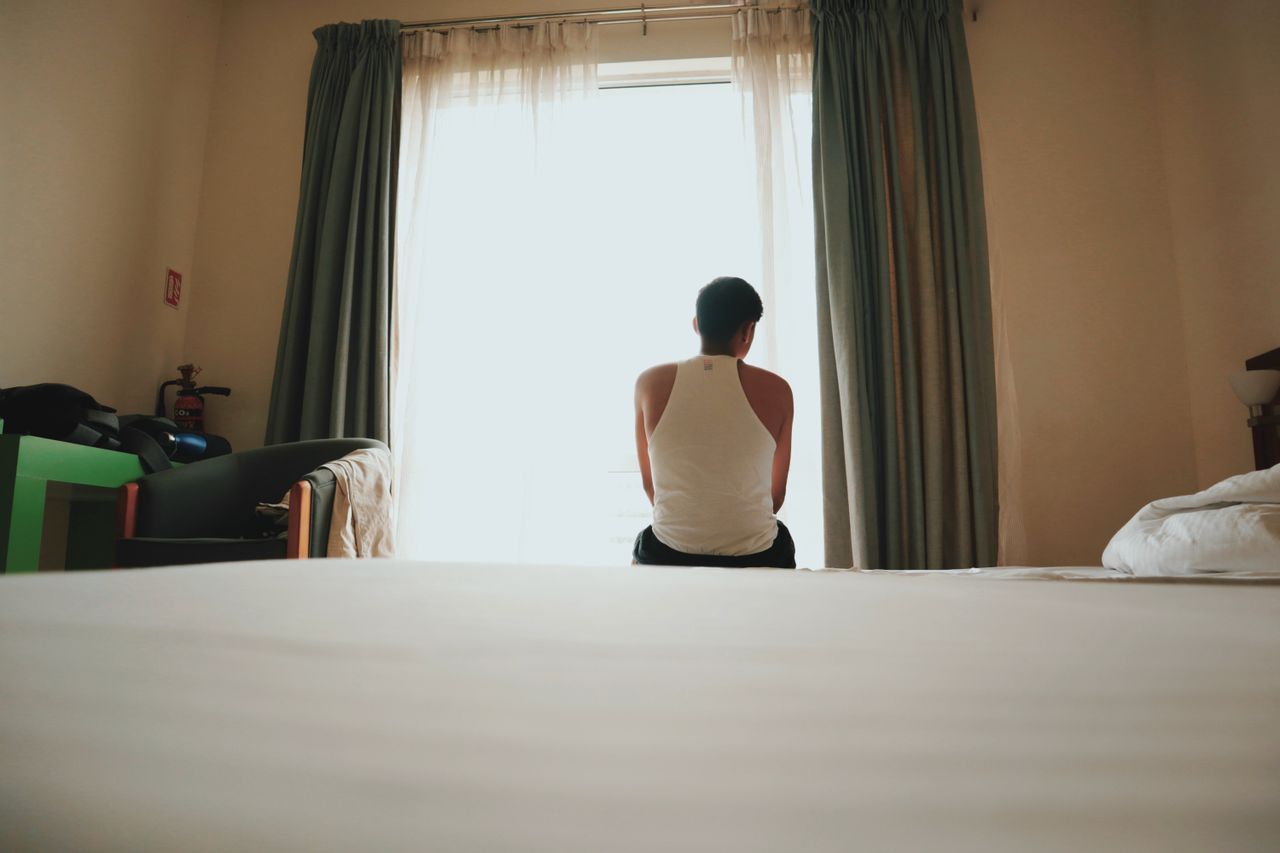
You already know what you need to do. The email sits unsent. The project waits, half-outlined. The gym bag hangs on the same hook where you placed it three weeks ago. You are not confused about what matters. You are frozen in the space between knowing and doing — and that space, for millions of people, feels like quicksand.
Procrastination is one of the most misunderstood human behaviors. We call it laziness. We call it weakness. We treat it as a character flaw. But decades of psychological research tell a different story: procrastination is almost never about time management. It is about emotion management. And until you understand what you are really avoiding, no productivity hack will save you.
Why We Really Procrastinate
Dr. Timothy Pychyl, one of the world's leading researchers on procrastination, describes it as a failure of emotional regulation, not a failure of planning. When we avoid a task, we are not choosing leisure over work. We are choosing short-term emotional relief over long-term wellbeing. The task triggers something uncomfortable — anxiety, self-doubt, boredom, perfectionism — and our brain reaches for escape.
This is why the guilt cycle is so vicious. You avoid something because it makes you feel bad. Then you feel bad about avoiding it. That guilt makes the task even more emotionally charged, which makes you avoid it more. The loop tightens until the deadline forces your hand, and you work in a panicked rush that confirms your worst belief about yourself: I can only function under pressure.
But that belief is a story, not a fact. You are not broken. You are protecting yourself from discomfort in the only way your nervous system knows how. The good news is that once you see the pattern clearly, you can begin to interrupt it — not with willpower, but with something far more sustainable: compassion and tiny action.

The Two-Minute Truth That Changes Everything
Here is what nobody tells you about starting: you do not need motivation to begin. You need to begin in order to feel motivated. Motivation is not the spark that creates action. It is the reward that follows action. Every procrastinator waits to feel ready. But readiness is a feeling that arrives only after you have already taken the first step.
This is why the two-minute rule works so powerfully. Tell yourself you will work on the thing for just two minutes. Not thirty. Not an hour. Two minutes. Open the document. Write one sentence. Put on your shoes. The absurdly low commitment disarms the fear response. Your brain stops screaming because the perceived threat is so small it barely registers.
And then something beautiful happens. Once you are inside the task — once you have crossed the invisible threshold between not-doing and doing — the emotional charge dissolves. The task is rarely as painful as the idea of the task. Most of our suffering exists in anticipation, not experience. Two minutes gets you past anticipation and into reality.
You do not need to feel ready. You need to feel allowed to begin imperfectly.
The permission to be imperfect
Forgive Yourself First
This might be the most counterintuitive advice in all of productivity literature: if you want to procrastinate less in the future, forgive yourself for procrastinating in the past. Research by Dr. Michael Wohl found that students who forgave themselves for procrastinating on one exam were significantly less likely to procrastinate on the next one.
Why? Because self-blame increases the negative emotions associated with the task. It makes the task heavier, more shameful, harder to face. But self-forgiveness breaks the emotional charge. It says: that happened, it is done, and I am still allowed to try again. It frees your energy from regret and redirects it toward the present moment.
So before you build a new system or buy a new planner, sit with this: you are not your worst habit. The years you lost to avoidance do not define what you are capable of now. You can put the weight down. You can begin again, lighter.
The deeper truth
Procrastination thrives on shame. It shrinks in the presence of kindness. The most productive thing you can do right now might be to stop punishing yourself for yesterday.

Design Your Environment, Not Your Willpower
Willpower is a limited resource, and procrastinators have been told for too long that they simply need more of it. The truth is that environment design matters far more than discipline. If your phone is next to your laptop, you will check it. If your workspace is cluttered with unfinished tasks, your brain will feel overwhelmed before you even begin.
Remove one barrier. Just one. If you procrastinate on exercise, sleep in your workout clothes. If you avoid writing, leave your document open on your screen overnight. If you delay cooking, pre-chop vegetables the night before. Make the first step so frictionless that it feels stranger not to do it.
Similarly, add friction to your distractions. Move your phone to another room. Log out of social media. Use a website blocker during work hours. You are not weak for being distracted — you are human in an environment designed by billion-dollar companies to capture your attention. Fight back by designing your space for focus.
Break the Task Until It Feels Absurdly Small
When a task feels enormous, your brain interprets it as a threat. And threats trigger avoidance. The solution is not to force yourself to face the whole thing at once. The solution is to shrink it until it no longer feels threatening. Do not write the essay. Write one paragraph. Do not clean the house. Clear one shelf. Do not finish the project. Open the file.
This is not about lowering your standards. It is about respecting the psychology of momentum. Small completions generate dopamine. Dopamine generates motivation. Motivation generates more action. You are building a flywheel, not pushing a boulder. Each tiny win makes the next one easier.
Ask yourself: what is the smallest possible version of this task that still counts as progress? Then do only that. Tomorrow, do the next smallest thing. Within a week, you will look back astonished at how far you have come — not through heroic effort, but through gentle, relentless consistency.

The Life That Waits on the Other Side
Imagine a version of your life where you do things when they need doing. Not perfectly. Not eagerly. But steadily. Imagine the relief of an empty inbox, a finished draft, a body that moves because you asked it to gently instead of forcing it under deadline panic. That life is not reserved for disciplined people. It is available to anyone willing to start badly and keep going.
Procrastination stole your past. It does not have to own your future. Begin with two minutes. Begin with forgiveness. Begin with one small act that proves you are not stuck — you were only waiting for permission to be imperfect. Consider this your permission.
Remember this
You were never lazy. You were afraid. And the bravest thing you can do today is not to finish everything — it is to start one thing, gently, without waiting to feel ready.