
Train Smarter • Move Better • Recover Wiser
Artificial Intelligence in Fitness: The Future of Smarter Training
From personalized workout plans to real-time recovery insights, AI is changing the way we train, track progress, and understand our bodies.
The New Language of Progress

Fitness has always evolved with the tools available to it. First came better equipment, then smarter programming, then apps, trackers, and wearables. Now, artificial intelligence is becoming one of the most powerful forces in modern health and fitness — not by replacing human effort, but by making that effort more precise, more personal, and far easier to understand.
Today, AI in fitness is helping people build personalized workout plans, monitor recovery, improve exercise form, and make better decisions based on real data rather than guesswork. Whether you are a beginner trying to stay consistent or an athlete looking for measurable performance gains, artificial intelligence is making high-quality coaching more accessible than ever before.
Why AI is becoming so powerful in fitness
The biggest promise of AI fitness technology is personalization. Traditional training plans often assume that everyone responds the same way to the same routine. In reality, your goals, sleep, stress, energy levels, injury history, schedule, and training experience all shape what your body needs on a given day.
Artificial intelligence can process those variables quickly and turn them into useful guidance. A smart fitness app can adapt a workout if your recovery is poor, suggest more volume when your body is handling training well, or recommend lower-impact movement when your recent activity shows signs of fatigue.
That shift matters because progress is rarely linear. Some days your body is ready to push. Other days it needs restraint. AI-based training tools are valuable because they help bridge the gap between ambition and reality, making your routine feel less random and far more responsive.
Training That Learns From You
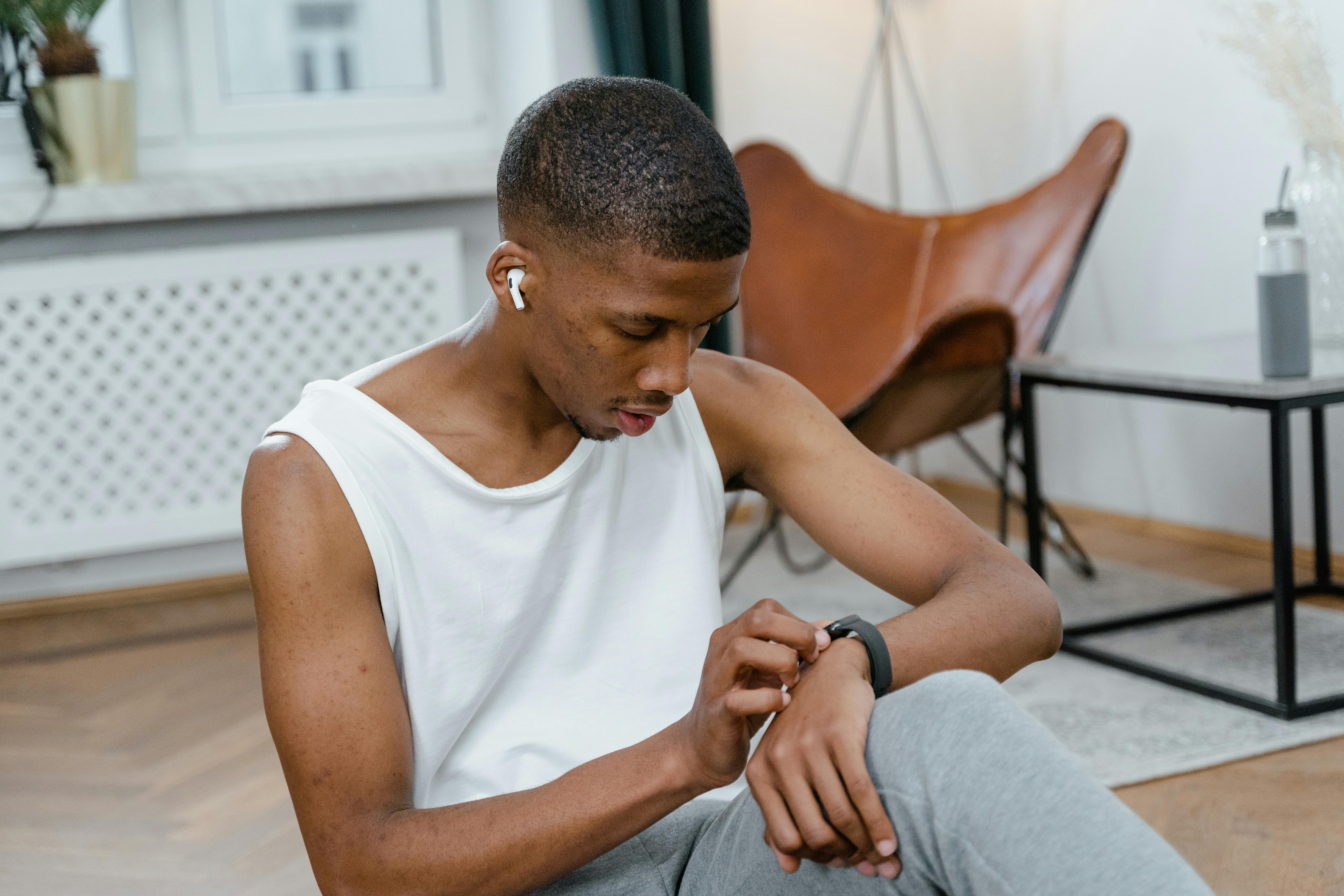
How AI creates better workouts
One of the strongest uses of AI in fitness is workout planning. Instead of choosing exercises from a generic list, AI workout planners can build sessions around your exact goals — fat loss, muscle gain, strength, mobility, endurance, or overall health — while also considering your fitness level and available equipment.
The best AI workout apps do more than generate a schedule. They learn from how consistently you train, how difficult sessions feel, and whether you are improving over time. That allows your plan to evolve with you instead of staying fixed long after your body has changed.
What smart training can do
Three ways AI improves your routine
The most useful tools are not the loudest ones. They are the ones that quietly make each session more relevant to where you are today.
| Feature | Benefit | Result |
|---|---|---|
| Personalized plans | Built around your goals | More relevant training |
| Progress tracking | Learns from your data | Smarter adjustments |
| Recovery insight | Uses sleep and fatigue cues | Better long-term results |
The real strength of AI is not that it gives you more information. It is that it helps you know what to do with it.
A smarter way to train
That kind of personalization is one reason AI workout planners are becoming so popular. They remove a major barrier for many people: not knowing what to do next. Instead of spending time building a plan from scratch, you can begin with a structure that already reflects your goals, ability level, and lifestyle.
Progress Becomes More Visible

AI can make consistency easier too
For many people, the hardest part of fitness is not motivation in the beginning. It is staying consistent when life becomes busy. AI-powered fitness apps can help by making plans feel less overwhelming and more achievable. They can shorten a session when your schedule is tight, swap an exercise when equipment is unavailable, or help you continue after time away without feeling like you have failed.
This is where technology becomes surprisingly human. A good training system does not simply demand more from you. It understands that progress is built through repeatable habits. When your plan can flex without falling apart, it becomes easier to return to it again and again.
AI in fitness also supports better education. Many platforms now explain why a workout is structured a certain way, what muscle groups are being trained, or why recovery matters after intense effort. That deeper understanding helps people become more confident, more informed, and more connected to their own progress.
The important difference
AI should not make fitness feel more complicated. At its best, it makes training feel clearer, more personal, and easier to sustain over time.
Recovery Is Part of the Plan
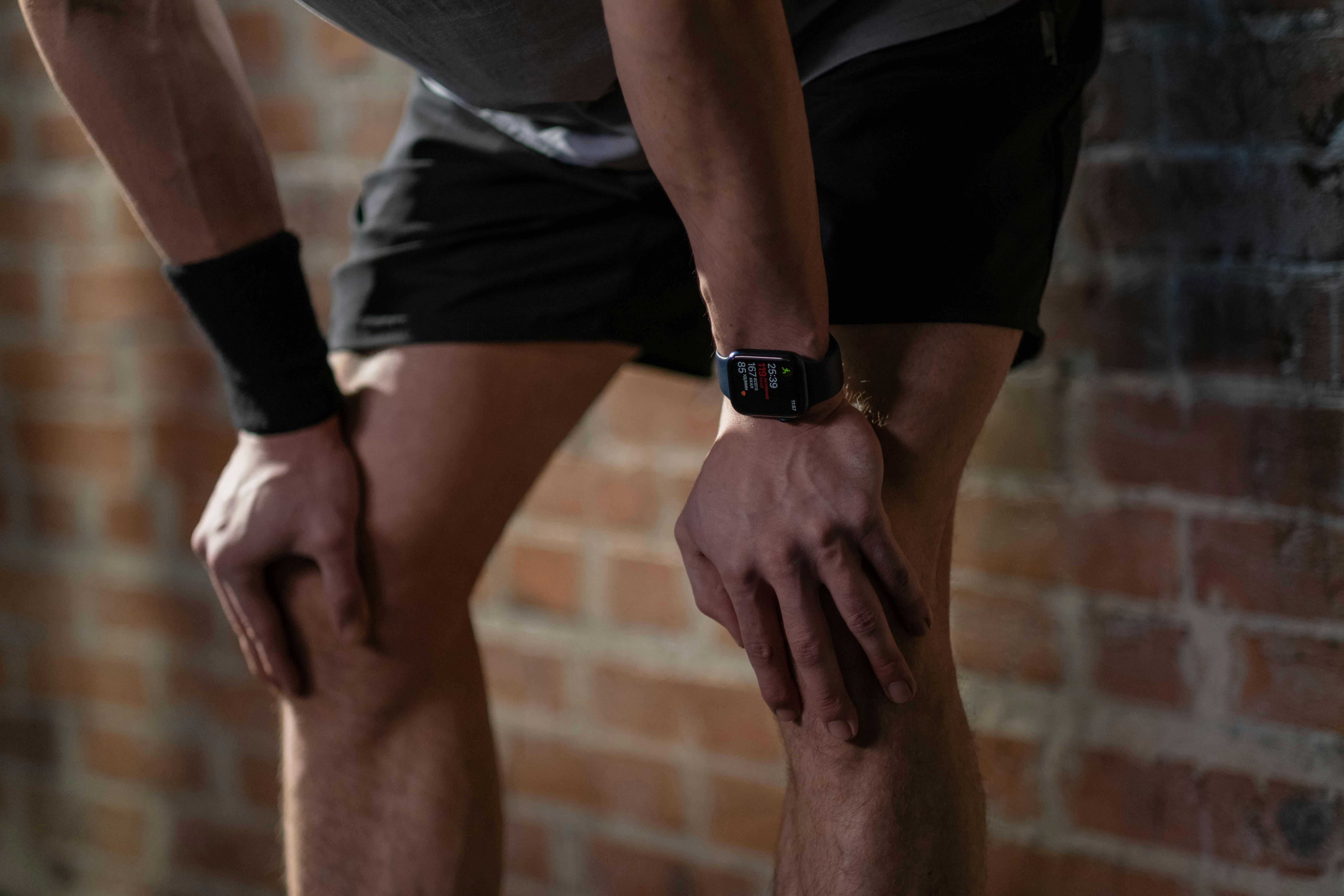
The future of fitness is personal
Artificial intelligence will not replace good coaching, self-awareness, or the value of simply moving your body. But it is changing the standard of what people can expect from their fitness experience. Generic advice is giving way to smarter recommendations, adaptive programming, and support that feels far more individual.
That is especially meaningful for people who have felt left out by one-size-fits-all fitness culture. AI can make training more inclusive by meeting people at their current level, helping them make steady progress without comparison, confusion, or pressure to follow someone else’s path.
The future of fitness will likely belong to those who combine effort with insight. Train hard when it makes sense. Recover when your body asks for it. Let data support your decisions without taking the human side of movement away from the experience.
Start with a smarter plan
If you want to see how artificial intelligence can support your own training, explore how an AI workout planner can help you create a routine that fits your goals, schedule, and current fitness level.
Read the AI Workout Planner guide